
After years of teaching kindergarten, I switched to a full day Pre-K program in an affluent area of Arizona. I remember very vividly the first time I handed a four year child a pair of scissors and realized rather quickly that I was now the person who had to teach scissor skills. For so many years in my Kindergarten classroom I took for granted all the fine motor work that was required in the preschool classroom!
After that experience, I sorta made it my mission to teach fine motor skills as soon as possible. We use our hands to fulfill so many tasks during the day. Think about it, before you even get out of bed in the morning, you’re using your hand to turn off the alarm, check your phone, pull the covers off your body, and on and on! As adults, we do these simple motions without much thought. For a young child whose dexterity is not as developed, holding a full cup of water is a hard task. Poor fine motor skills can affect the way children write, draw, cut, and develop their shoulder girdle.
There are two types of fine motor skills(FMS): Strength and Precision
We think of strength when we use our hands for tasks like making food, opening doors, and pulling up a zipper.
Precision comes into play when you want to pick up a tiny speck of glitter off a table or putting on the back to an earring or closing the clasp on a necklace.
The activities I’ve picked to share here use both types of skills and offer plenty of easy ways for your child to flex those tiny little muscles!
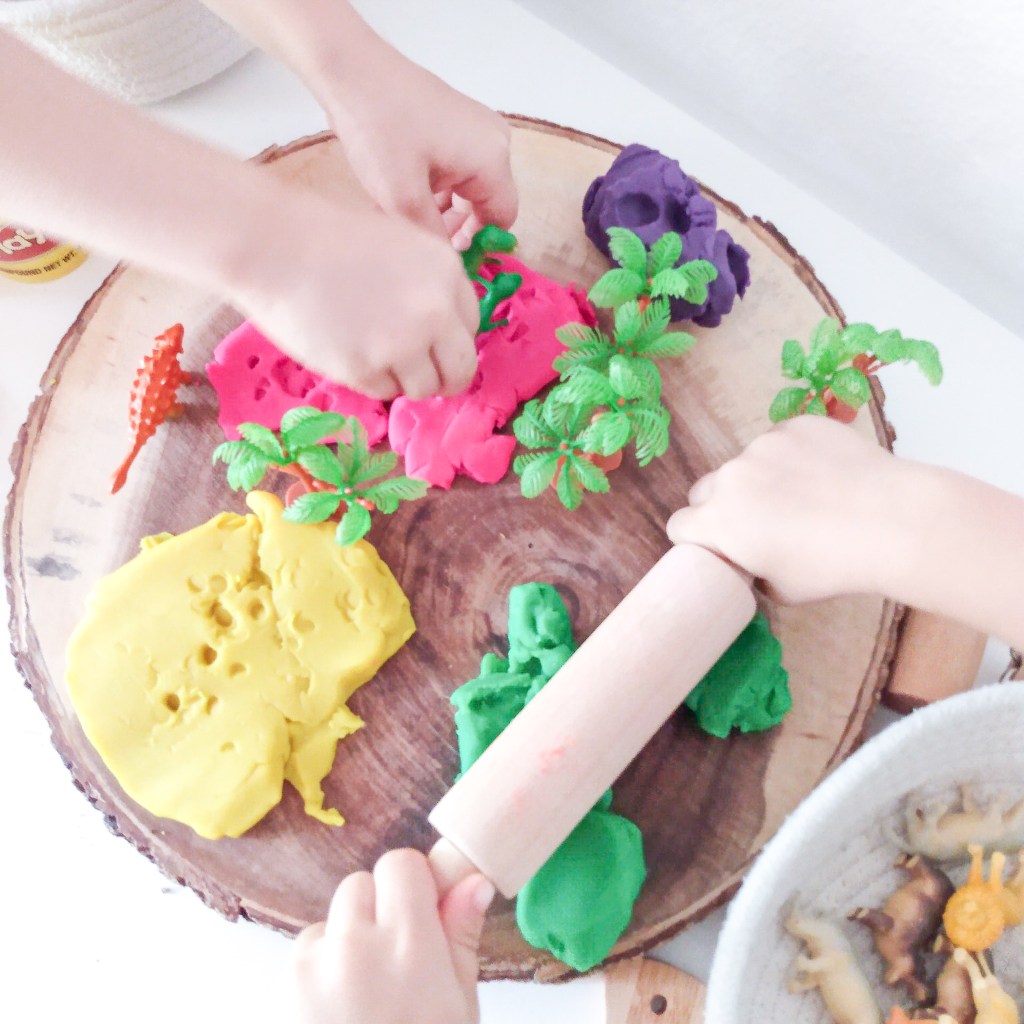
One of the best, easiest, and cheapest ways to increase FMS is hands down (no pun intended!) play-dough! Here you’ll notice that we are pushing small toys into the dough to make tracks and hold up trees. We are also using a small rolling pin to flatten dough.
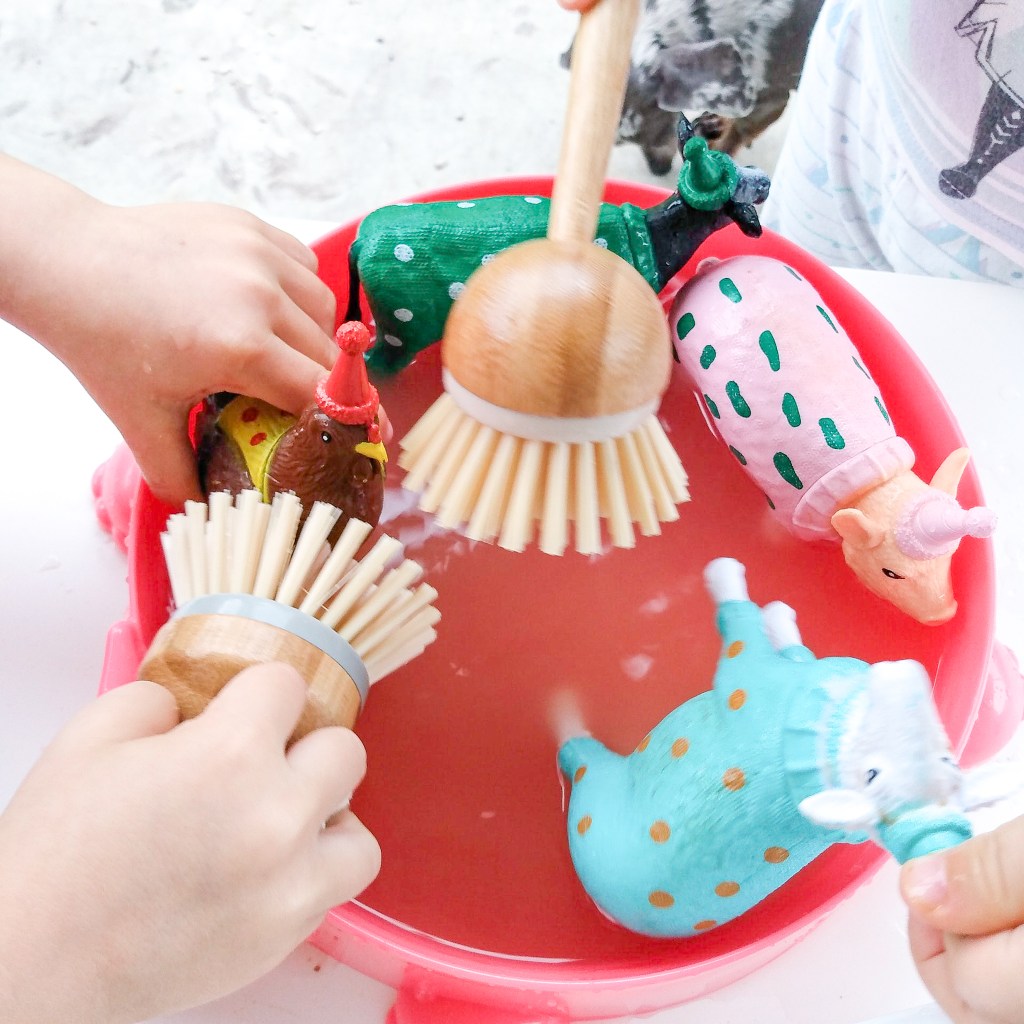
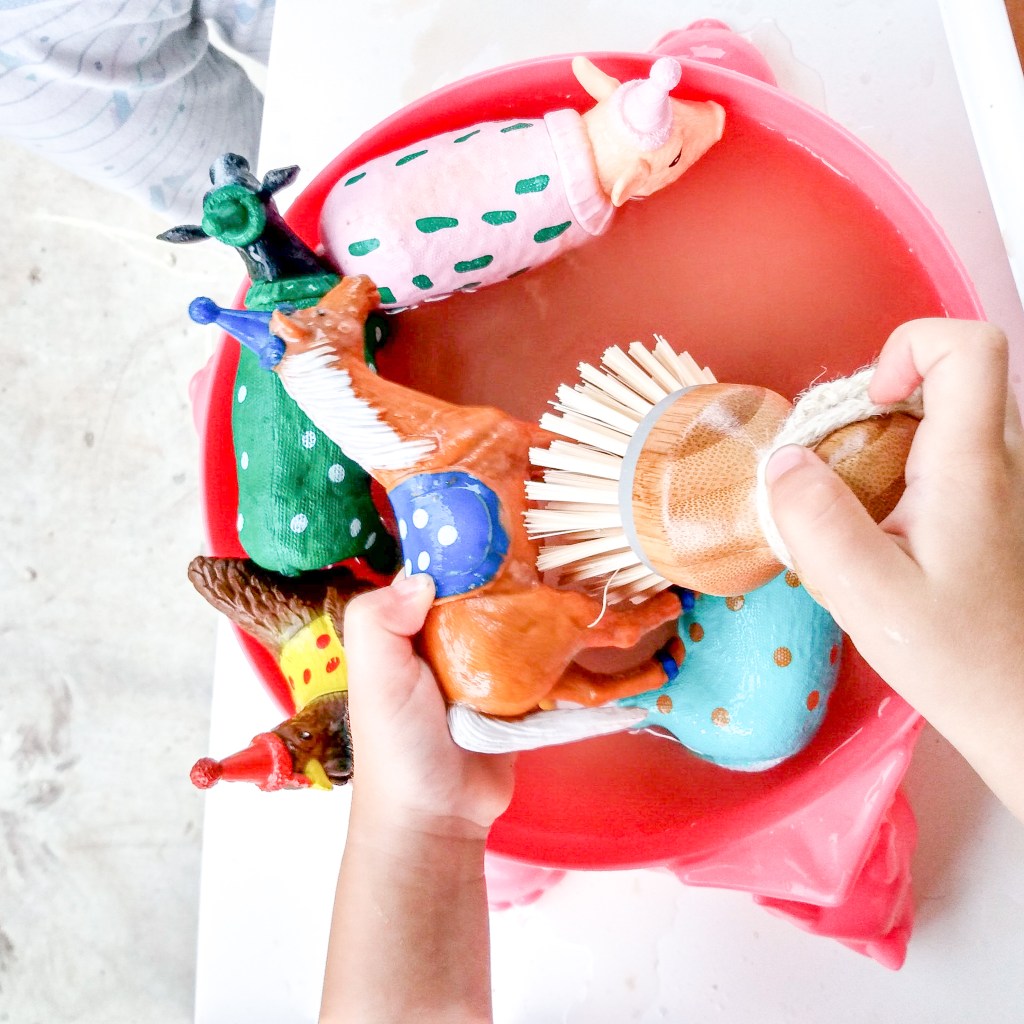
Practical life activities are full of fine motor practice. Using scrub brushes on messy toys increases endurance which is needed to build strong muscles.
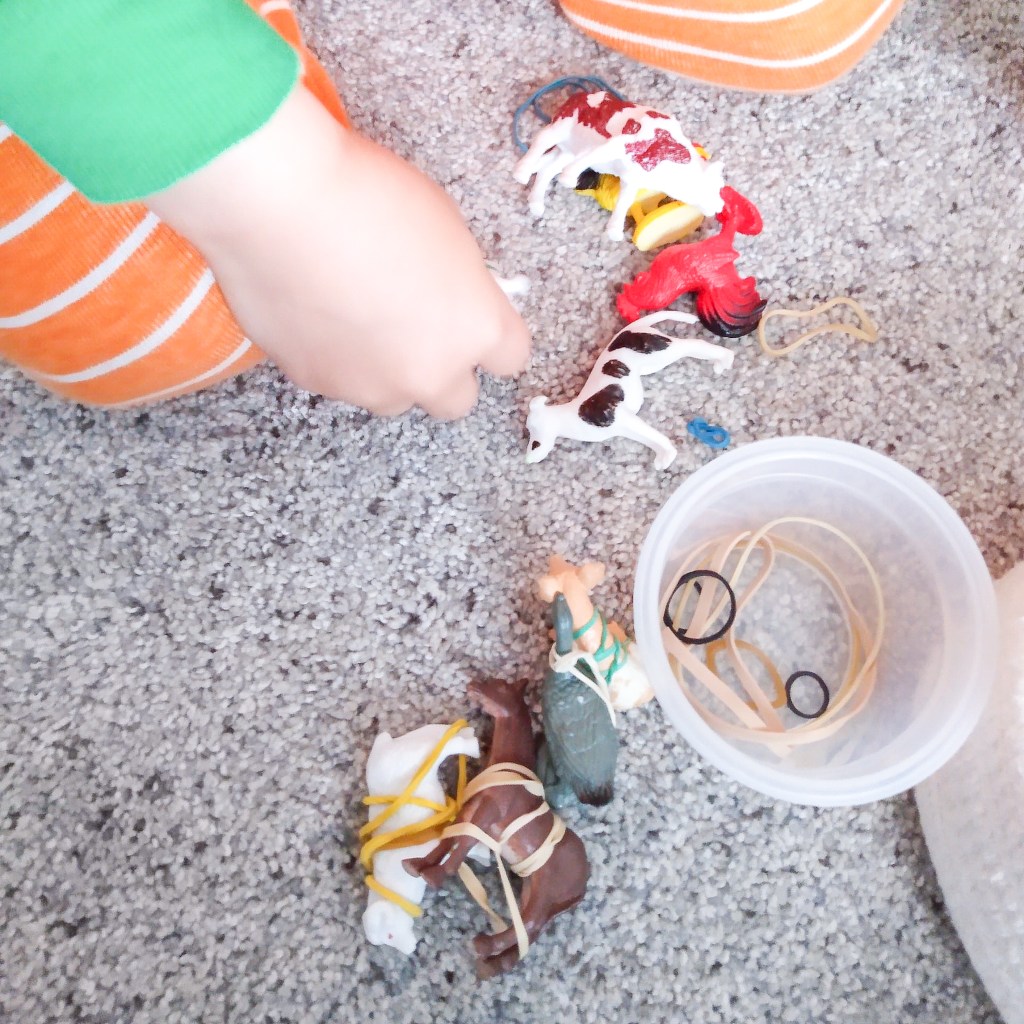
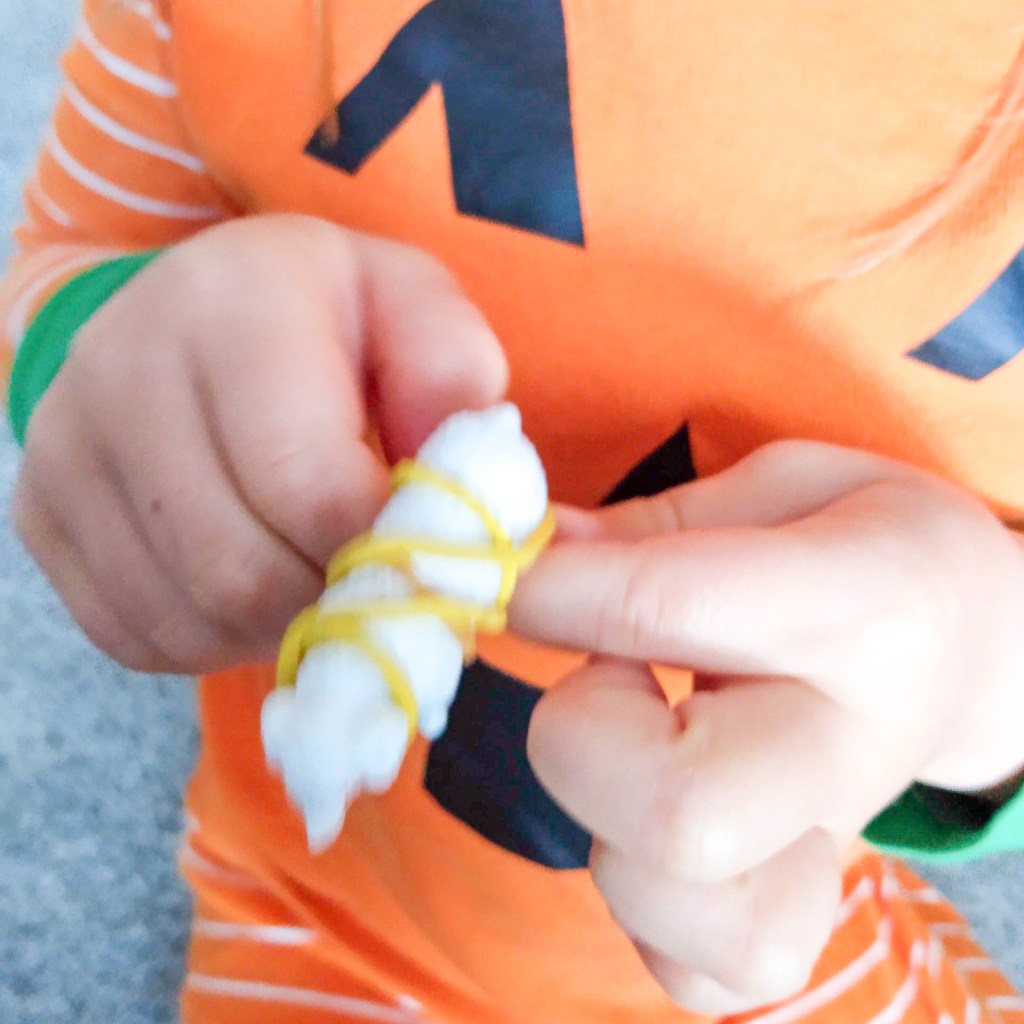
I love a good two for one activity! “Trap” some small toys in rubber bands for your child to rescue. When they’re safe, have your child trap them again. This activity is a great one to put in a small bag or container to take with you during long waits in public!
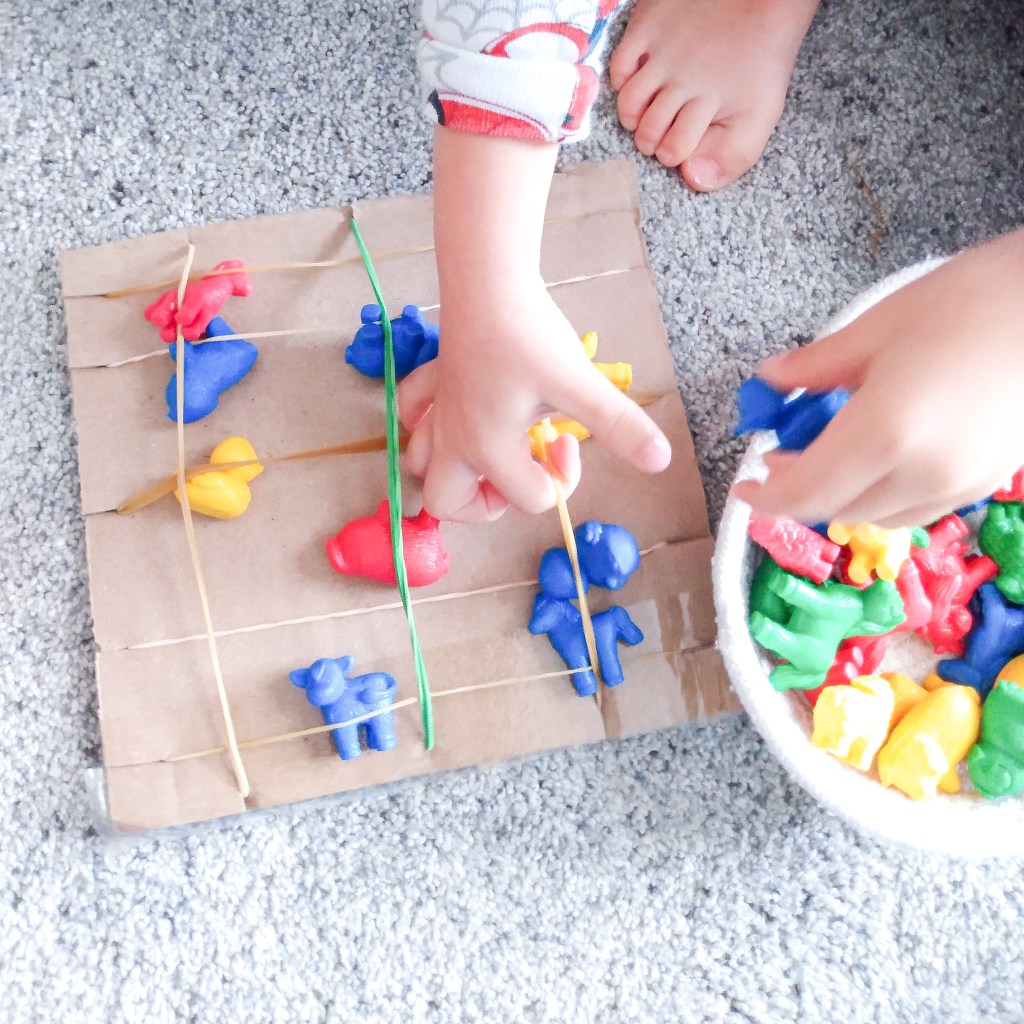
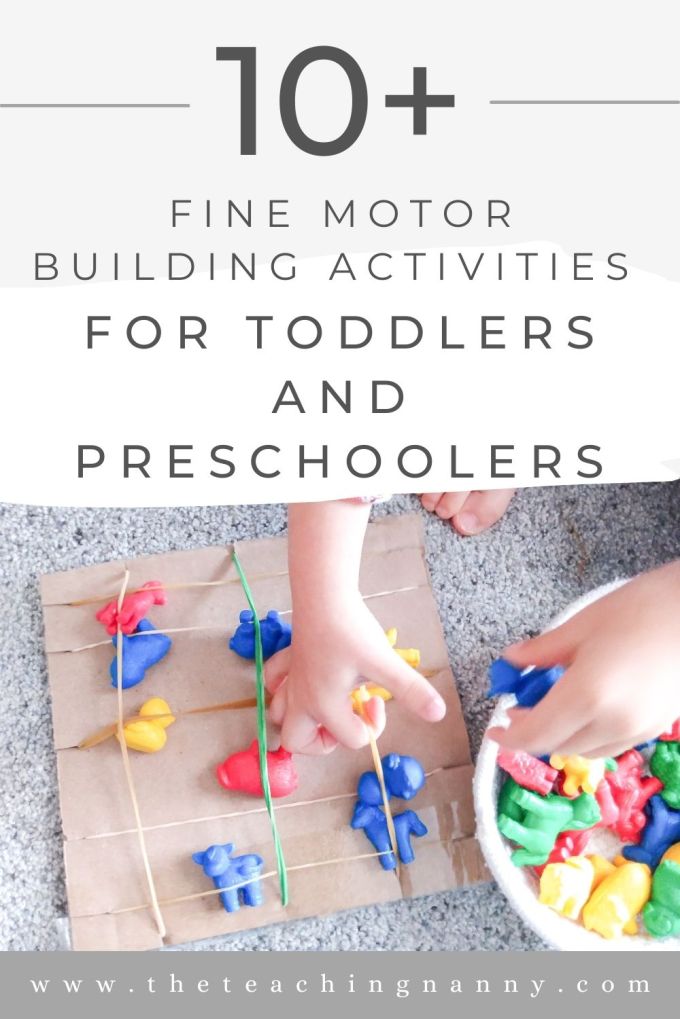
Another fun trapping activity is making a DIY band board. I cut slits around a square of cardboard to fit longer rubber bands. Give your child small toys or counters to slip under the bands. The lifting and stretching motion is wonderful for bilateral conditioning.
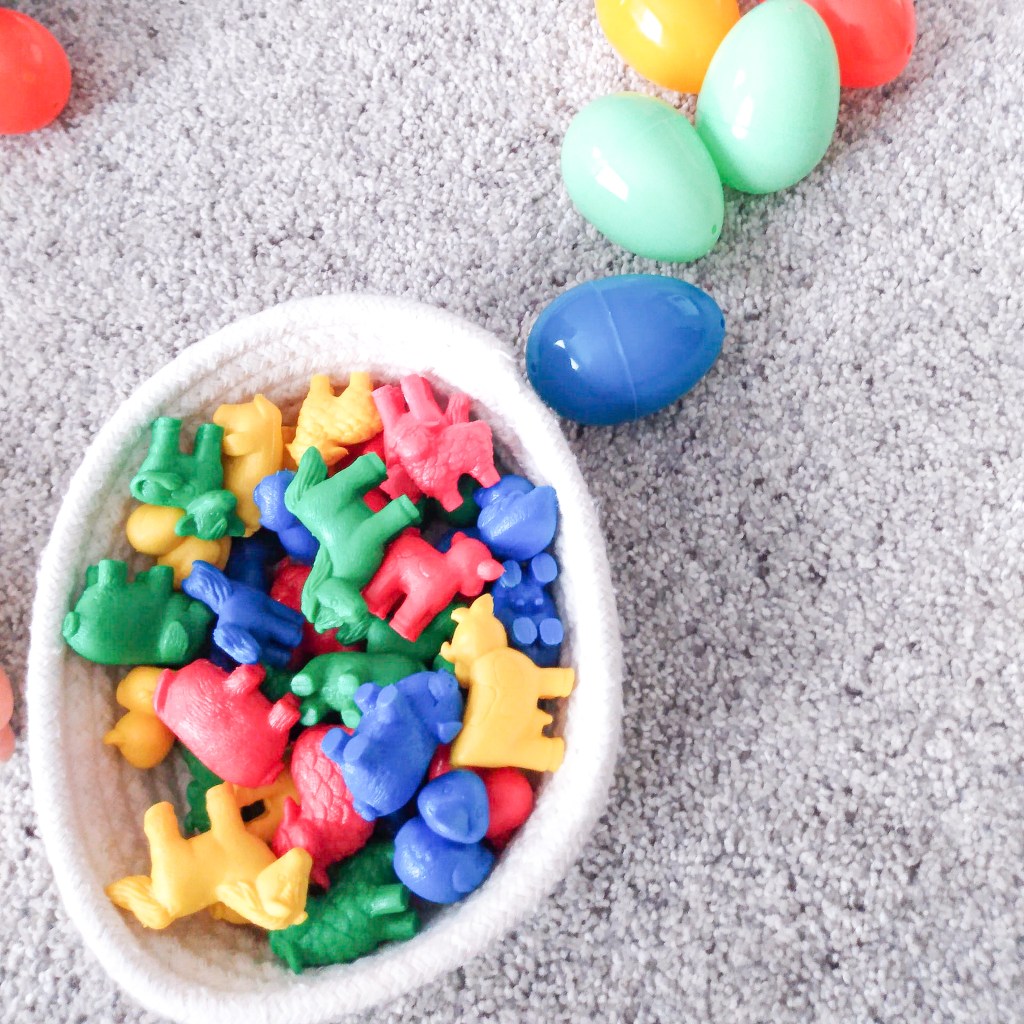
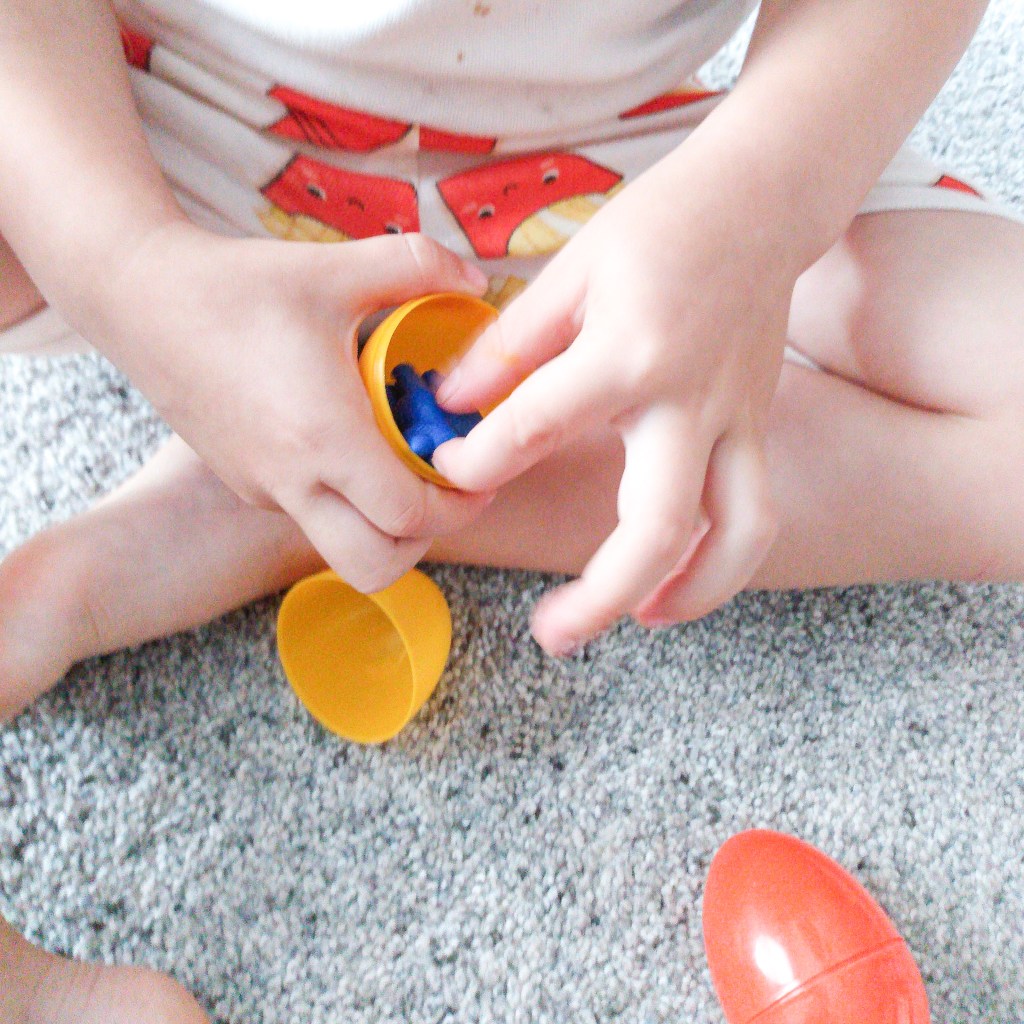
Do you have some empty Easter eggs around your house? I happen to work for a church, so Easter eggs are always around!! Give them to your child along with some small toys. The opening and closing motion along with the grasping needed to place the toy inside the egg is wonderful practice.
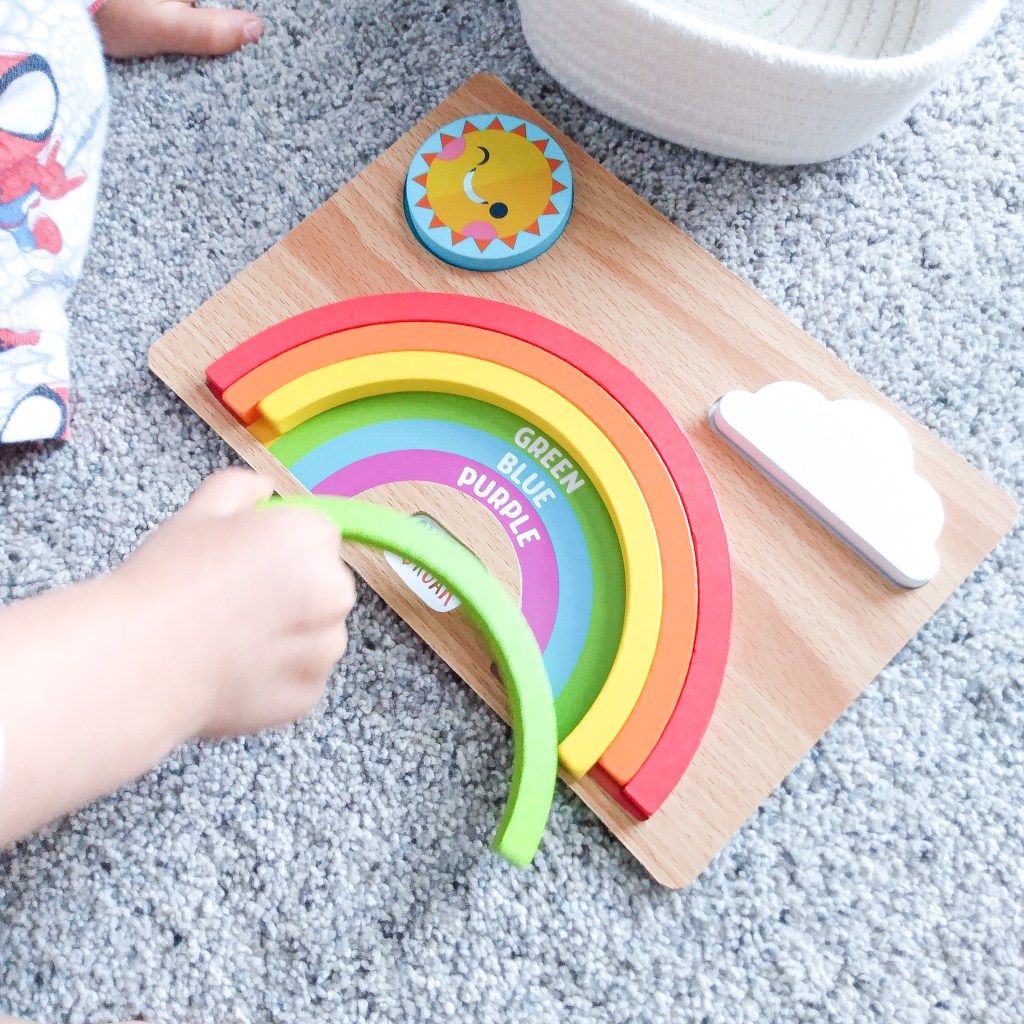
Puzzles are an underrated fine motor tool in my opinion! The motor planning needed to place little pieces together is huge along with the added benefits of critical thinking and spatial awareness.
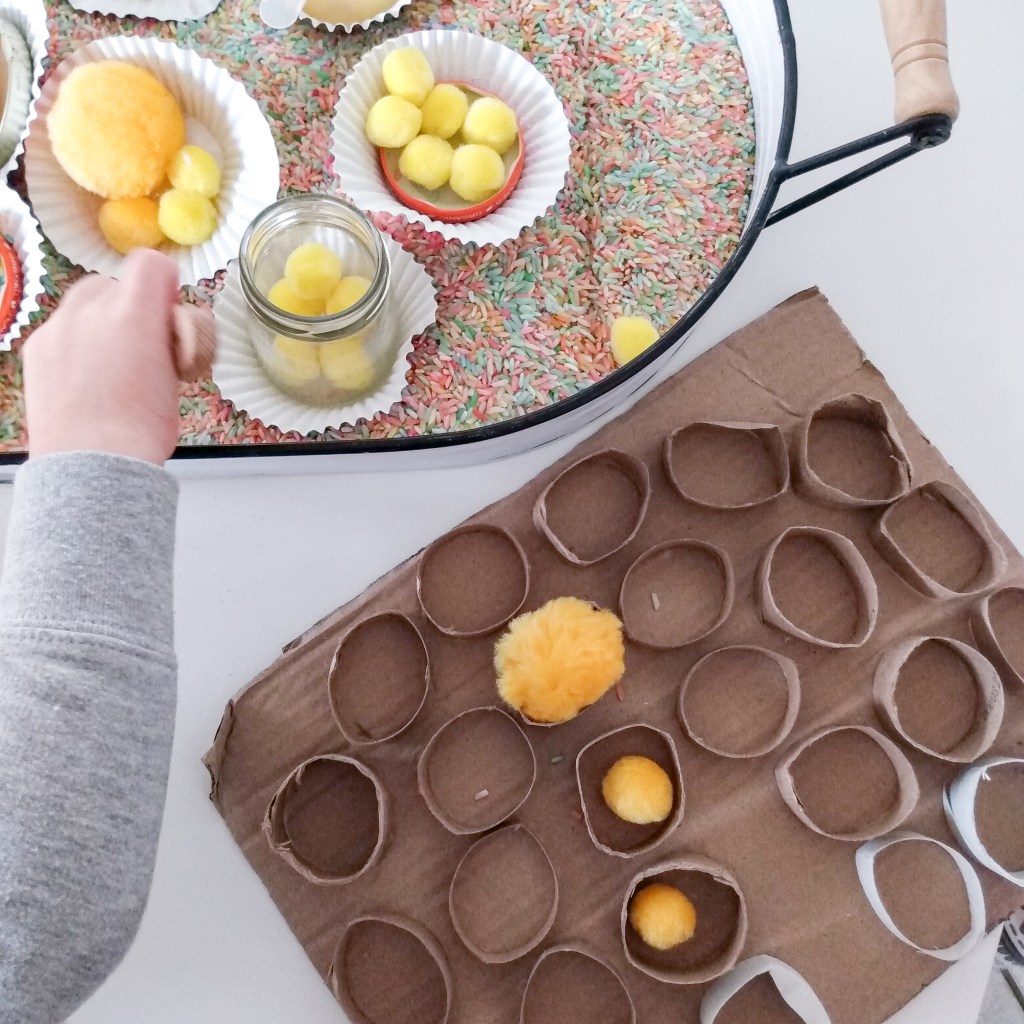
Do not underestimate the power of a sensory bin to develop fine motor skills! If you need more help in the sensory bin department, I’ve got you covered!
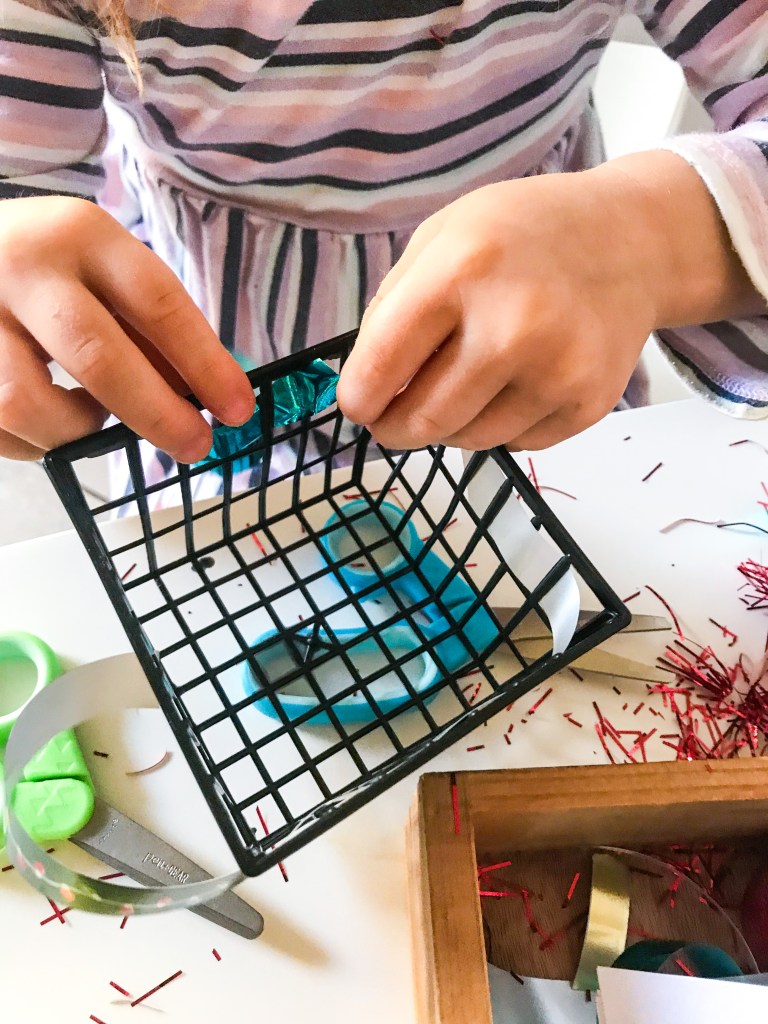
Last Christmas I added a cutting and weaving tray to our work shelf. Using scraps of ribbon and an old berry basket we were able to strengthen our muscles by moving the ribbon around the basket. You could also use the rubber band board for this exercise!
I’ve yet to meet a child who hasn’t struggled with using a clothespin! I keep a variety of sizes (check the dollar store or craft stores for tiny ones!) on hand to add to my work shelf. Here my buddy is removing them from a Christmas cookie cutter. You could also put them on a piece of cardboard, the side of a box, or even an actual clothesline. The idea is getting your child to use enough force to open the spring loaded end. The added danger of snapping yourself really appeals to the younger boys!
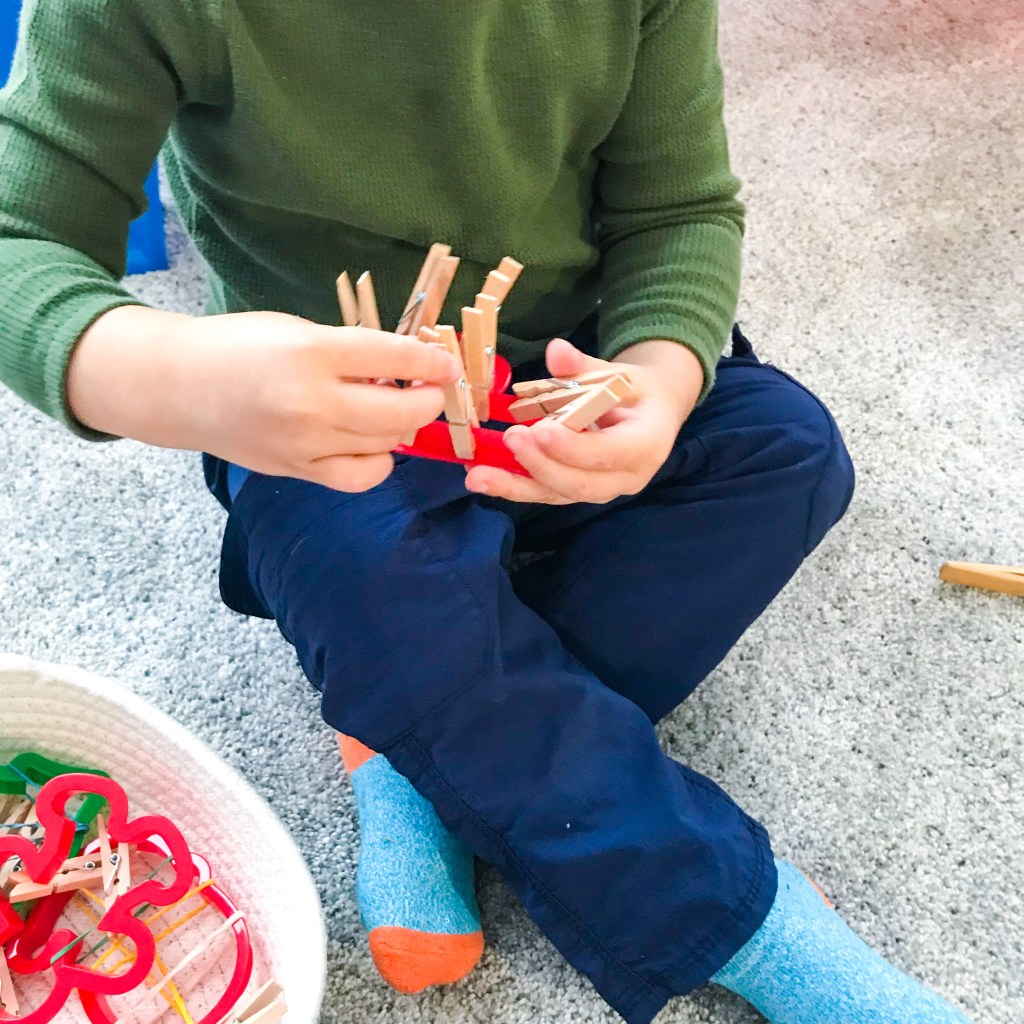
*If you look closer into this basket you can see the rubber band wrapped cookie cutters, another easy activity!*
I found this fun nutcracker a few years ago and knew it would be perfect for building a strong grasp.
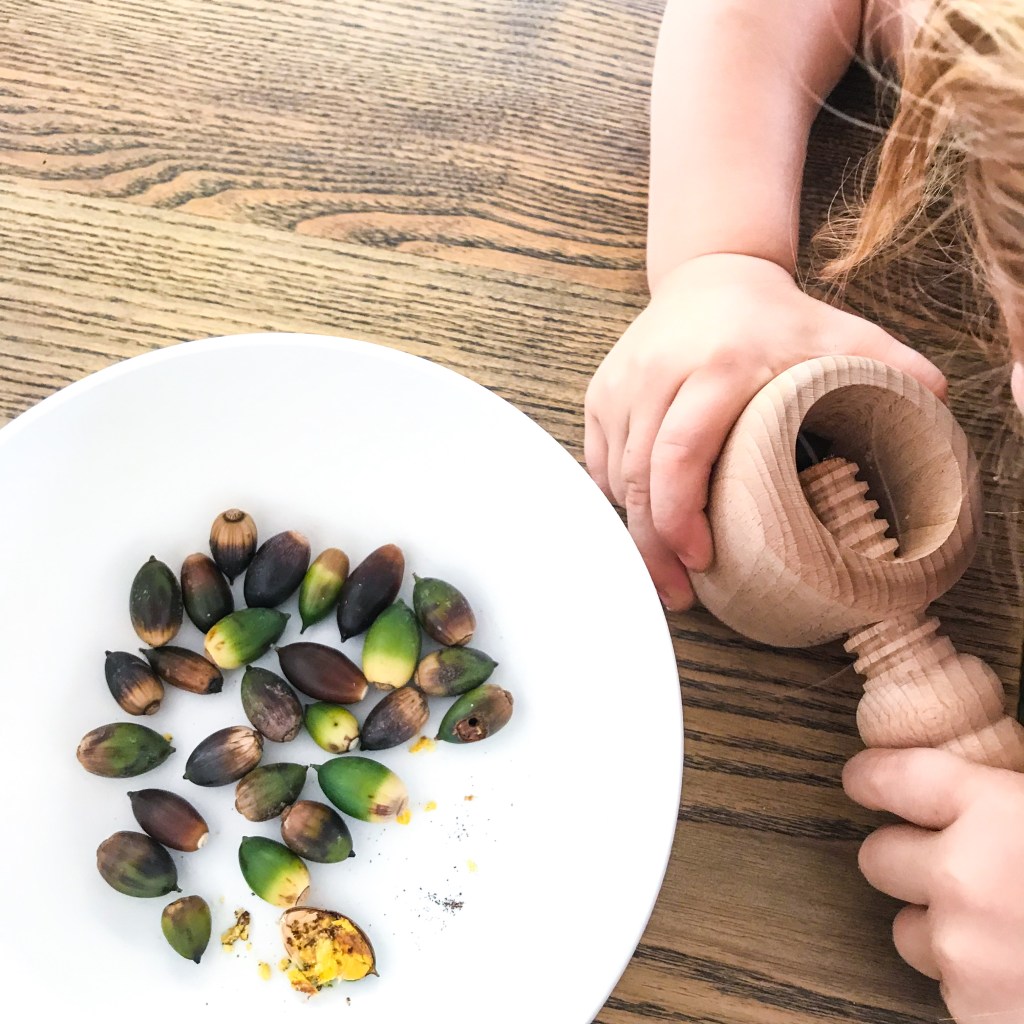
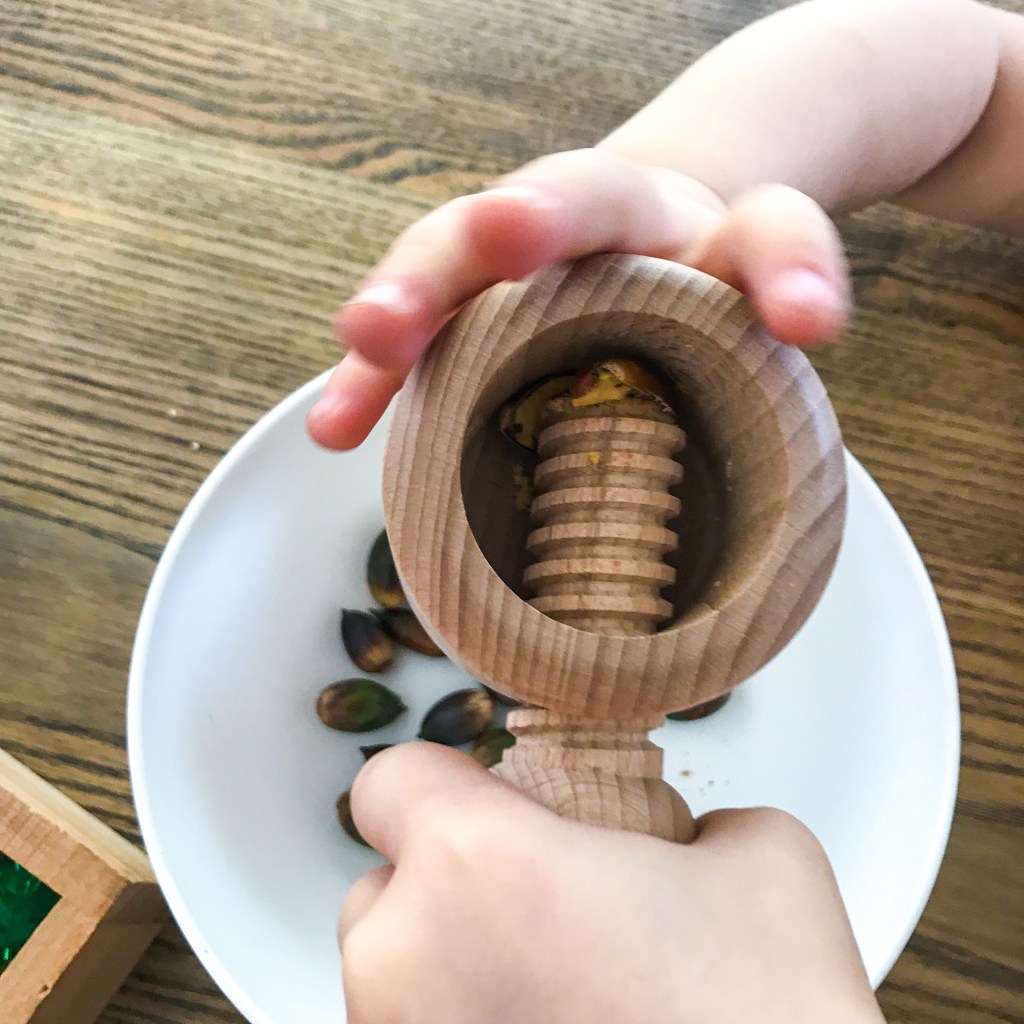
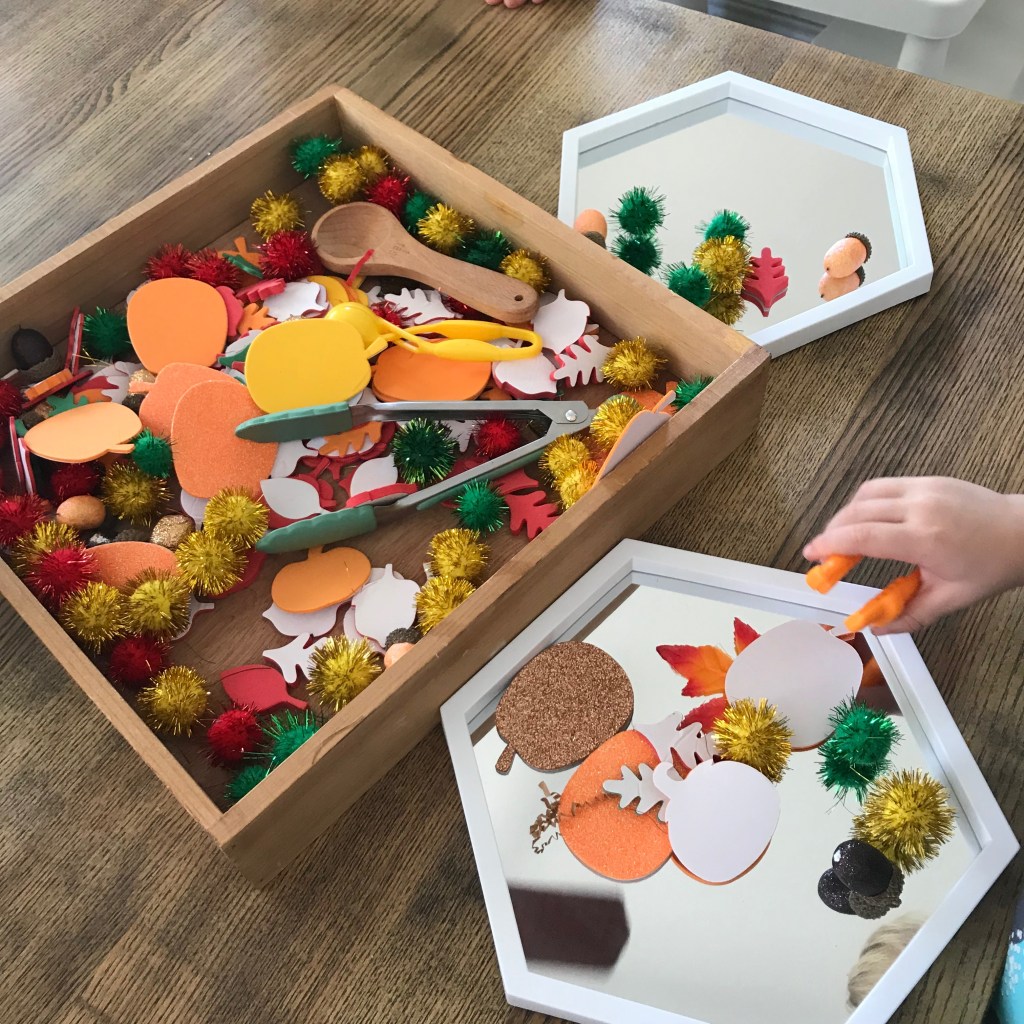
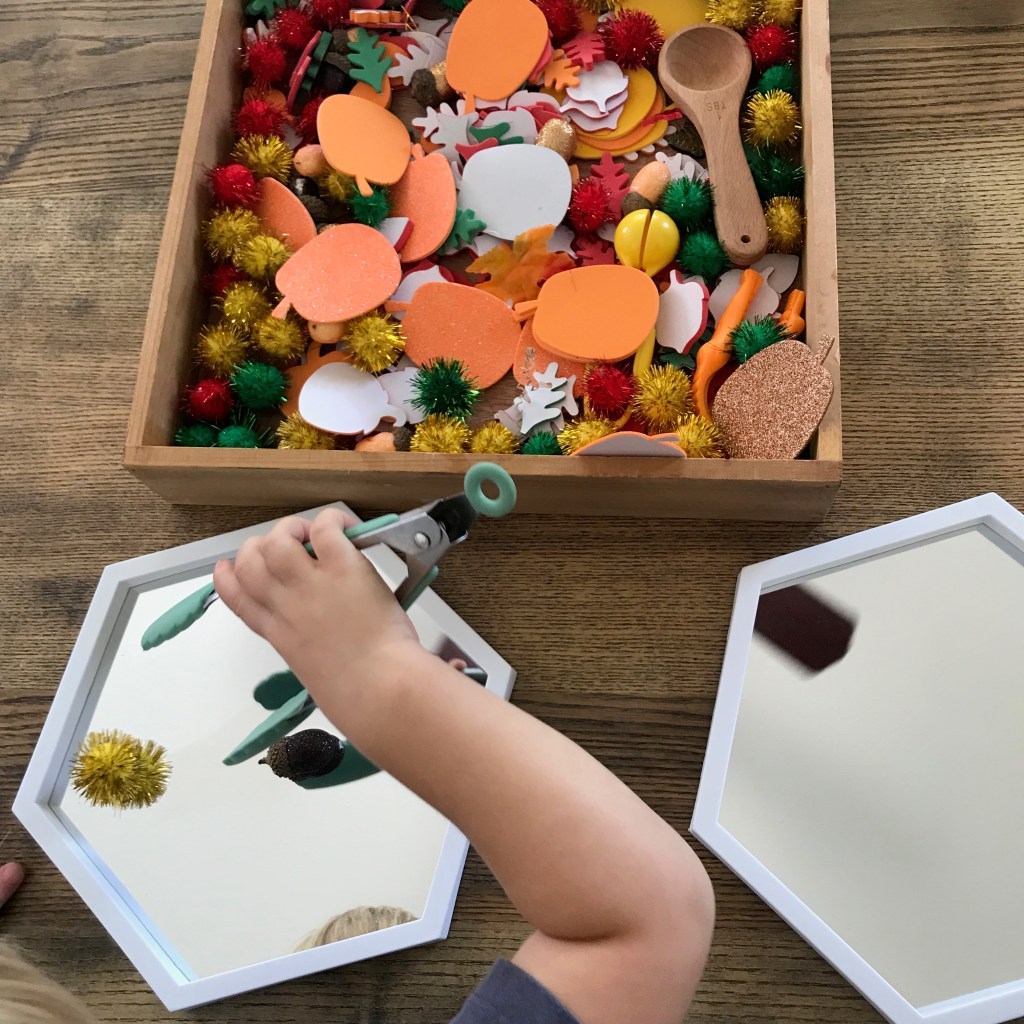
Using tongs, tweezers, and scoops are great practical life applications.
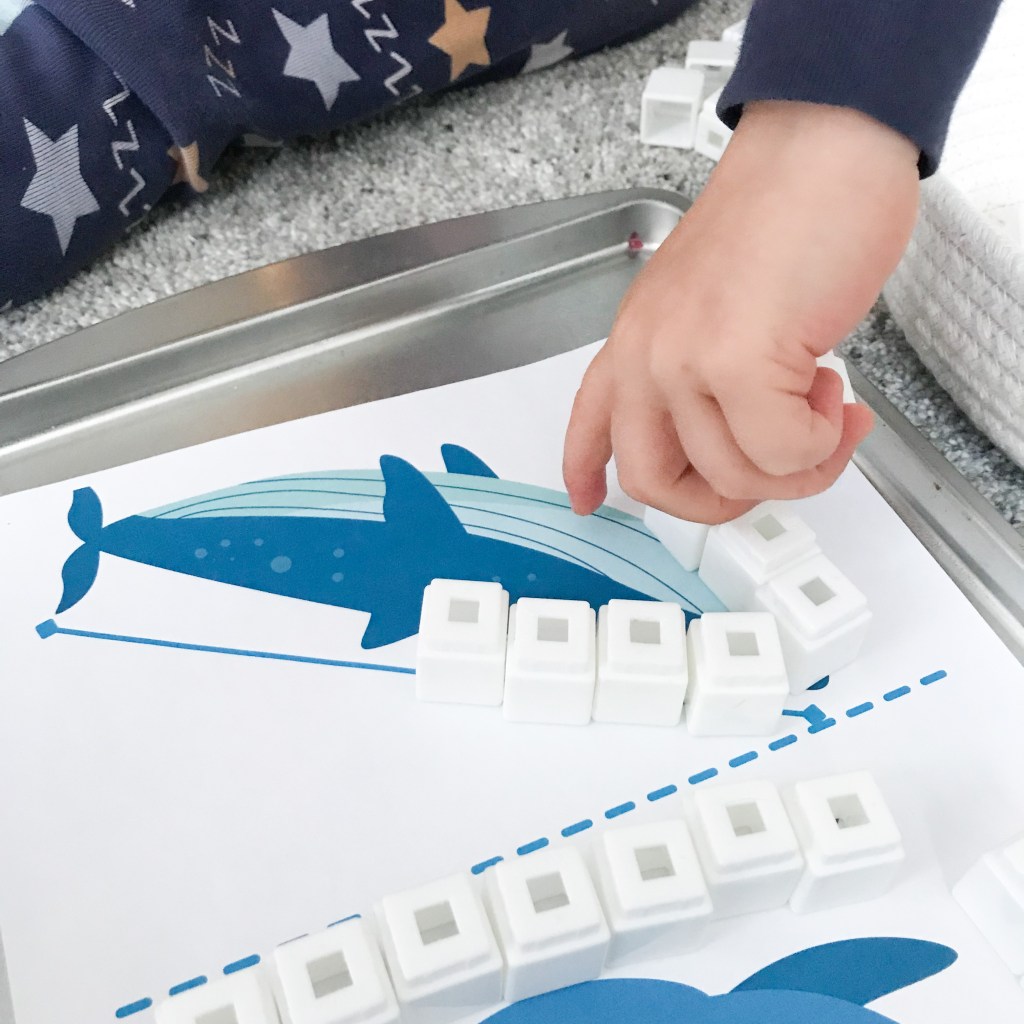
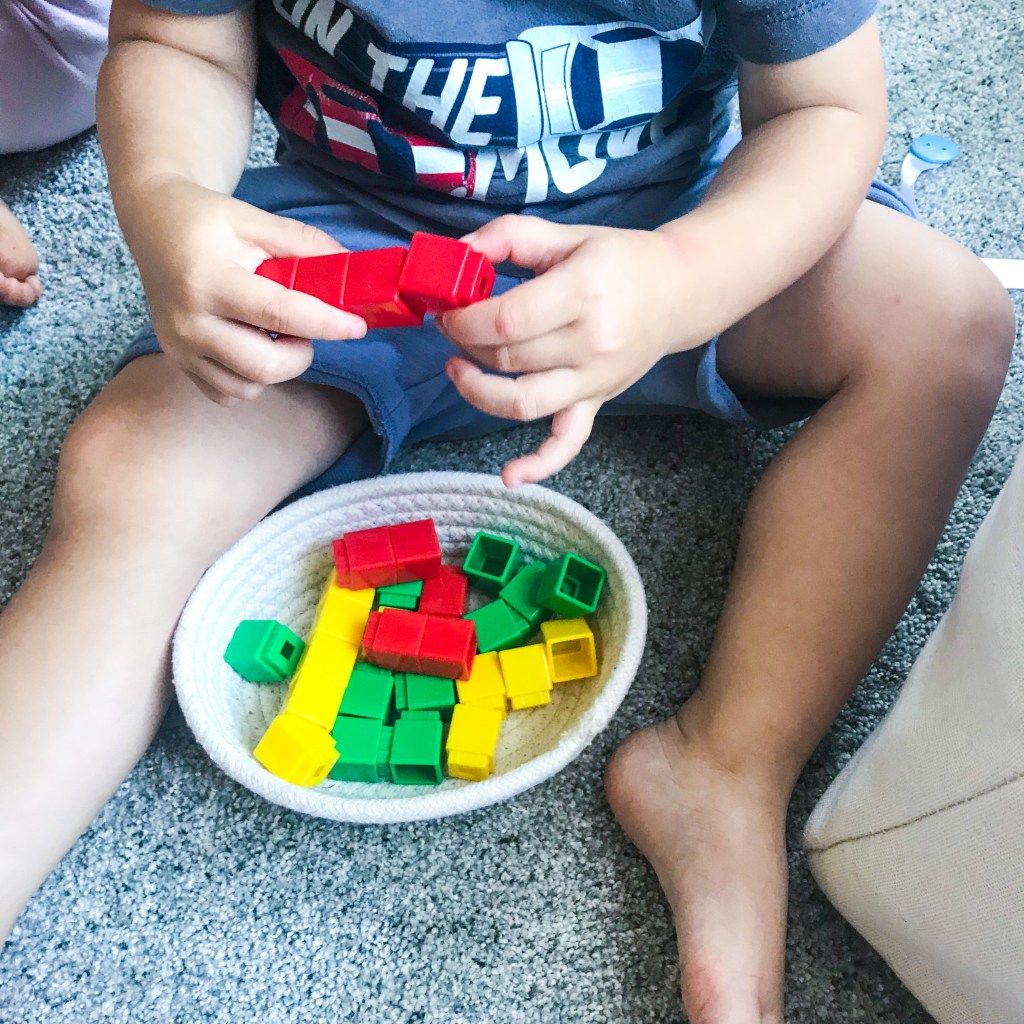
Linking cubes and lego type blocks isolate tiny finger muscles.
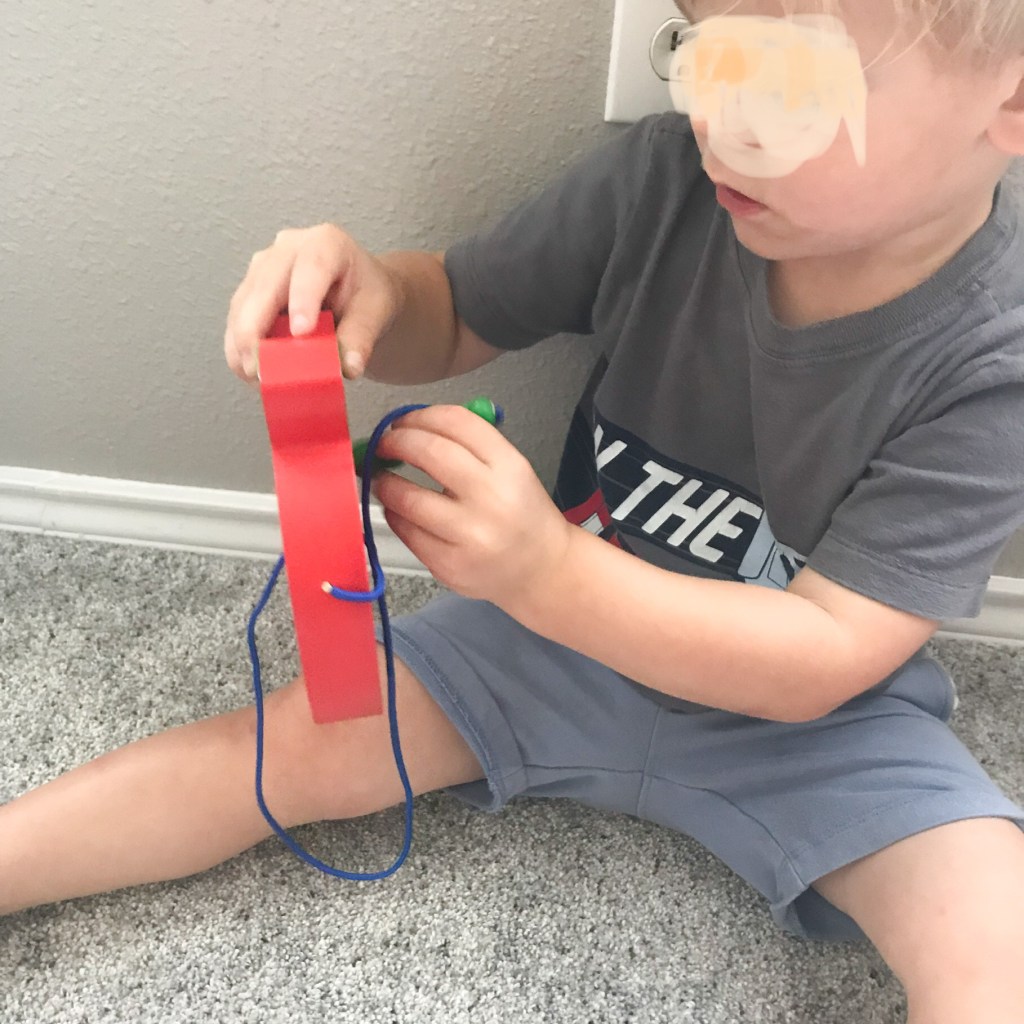
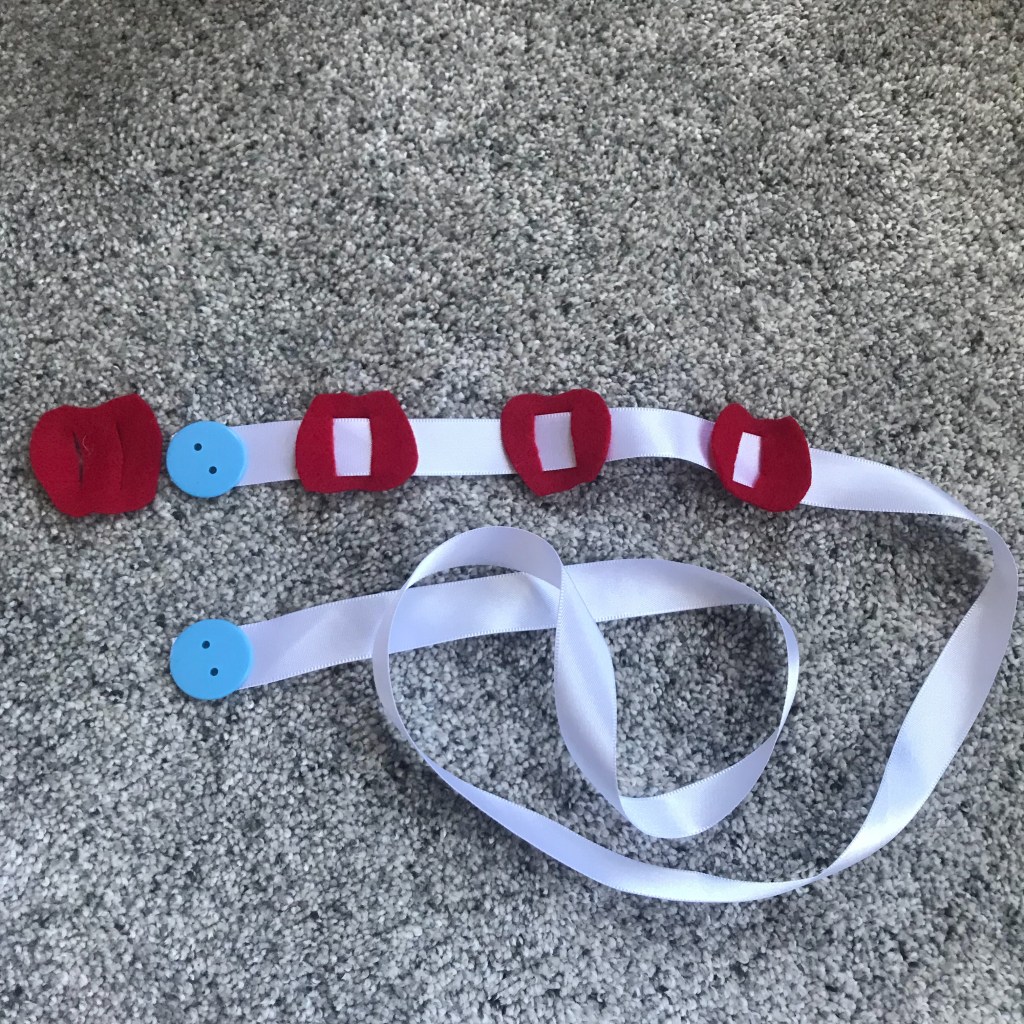
Threading and sewing type activities encourage precision.
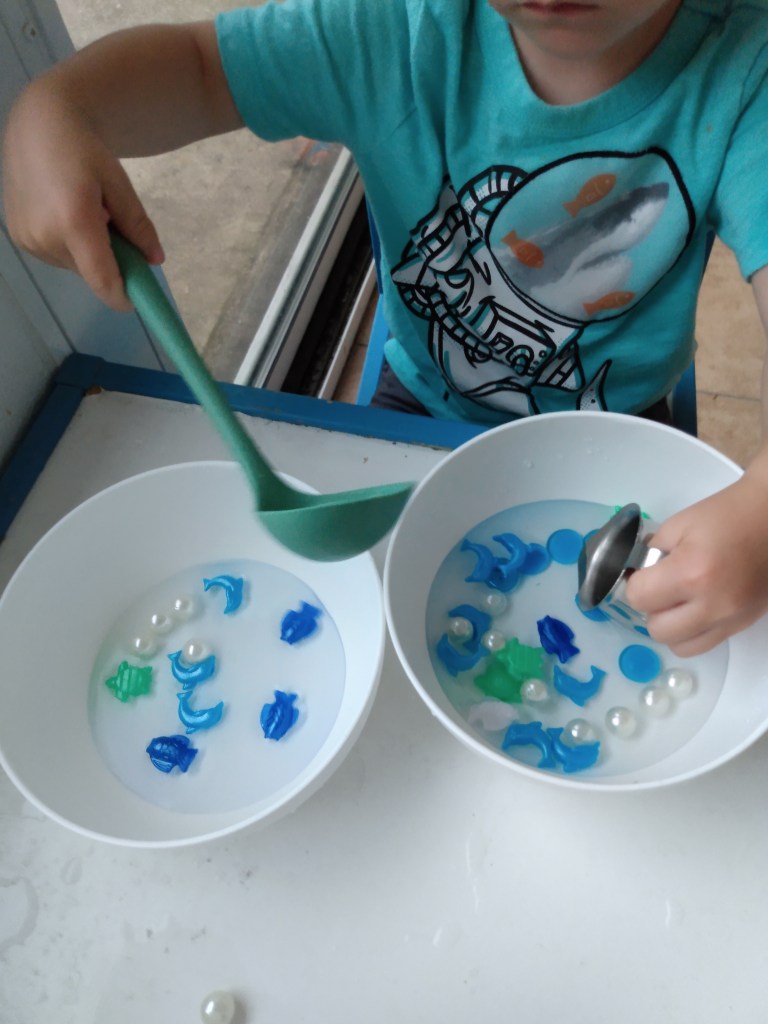
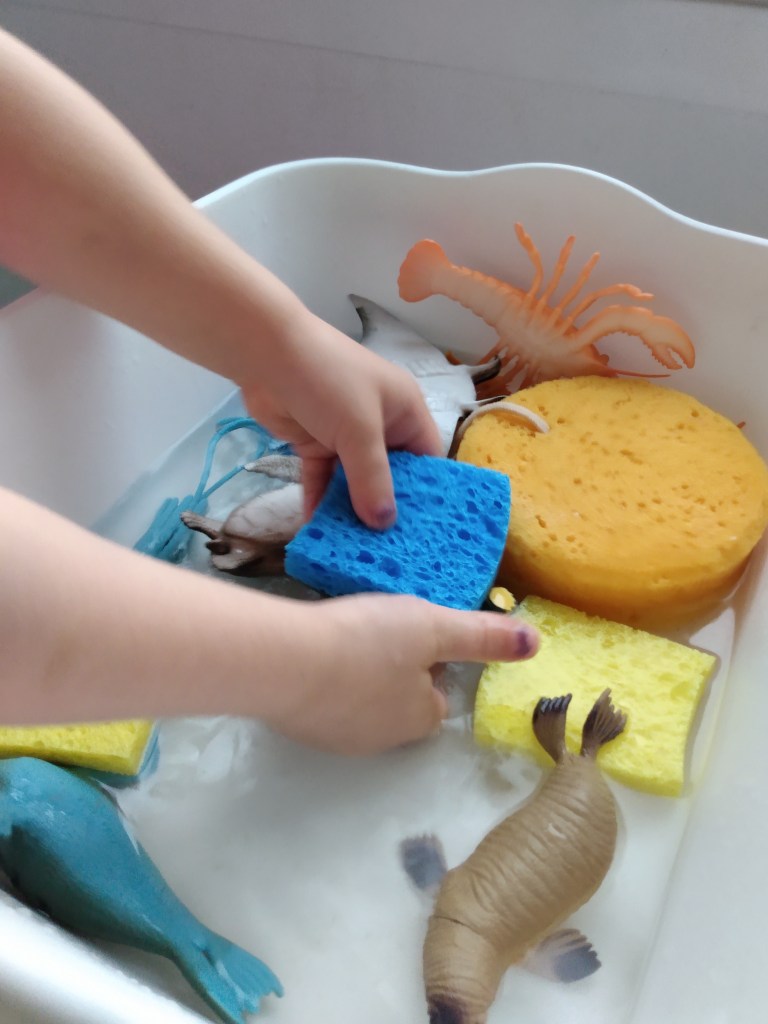
Water play with sponges and bowls increases grip strength and accuracy.
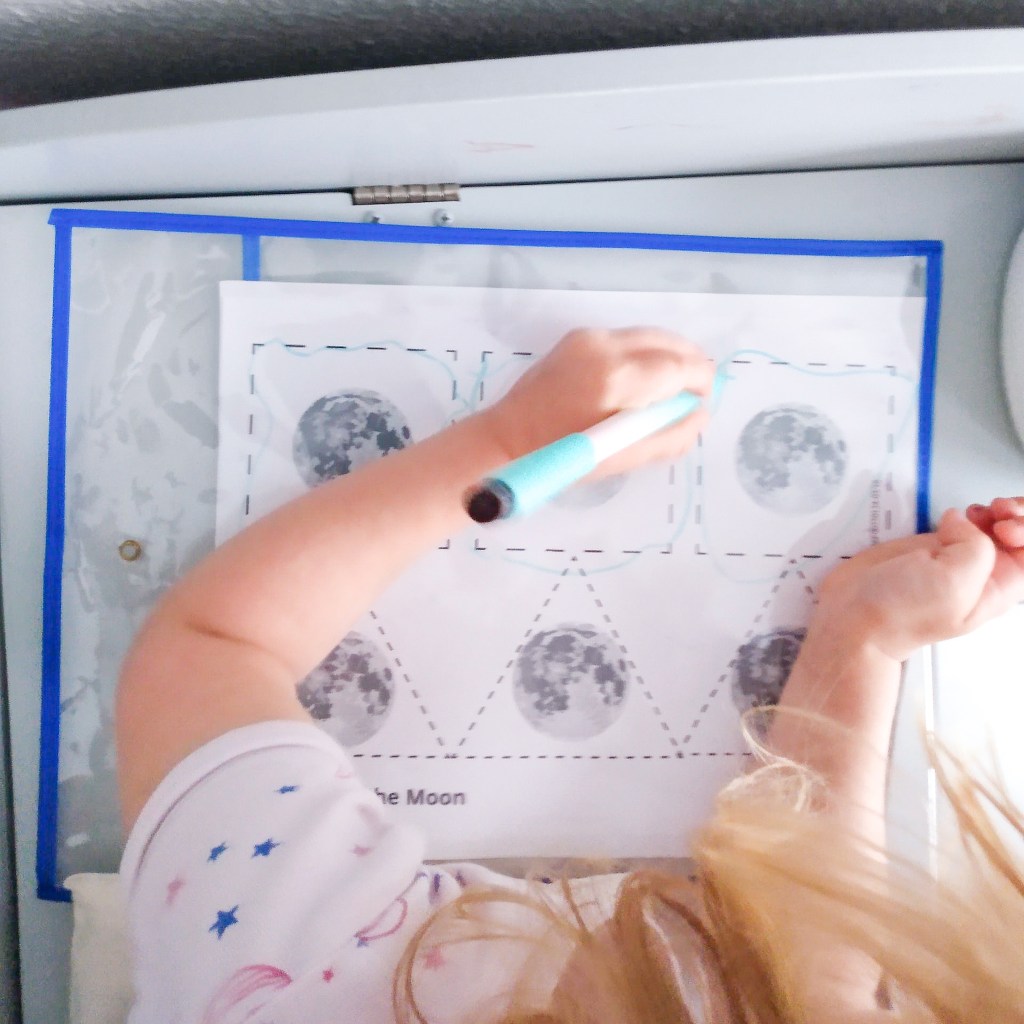
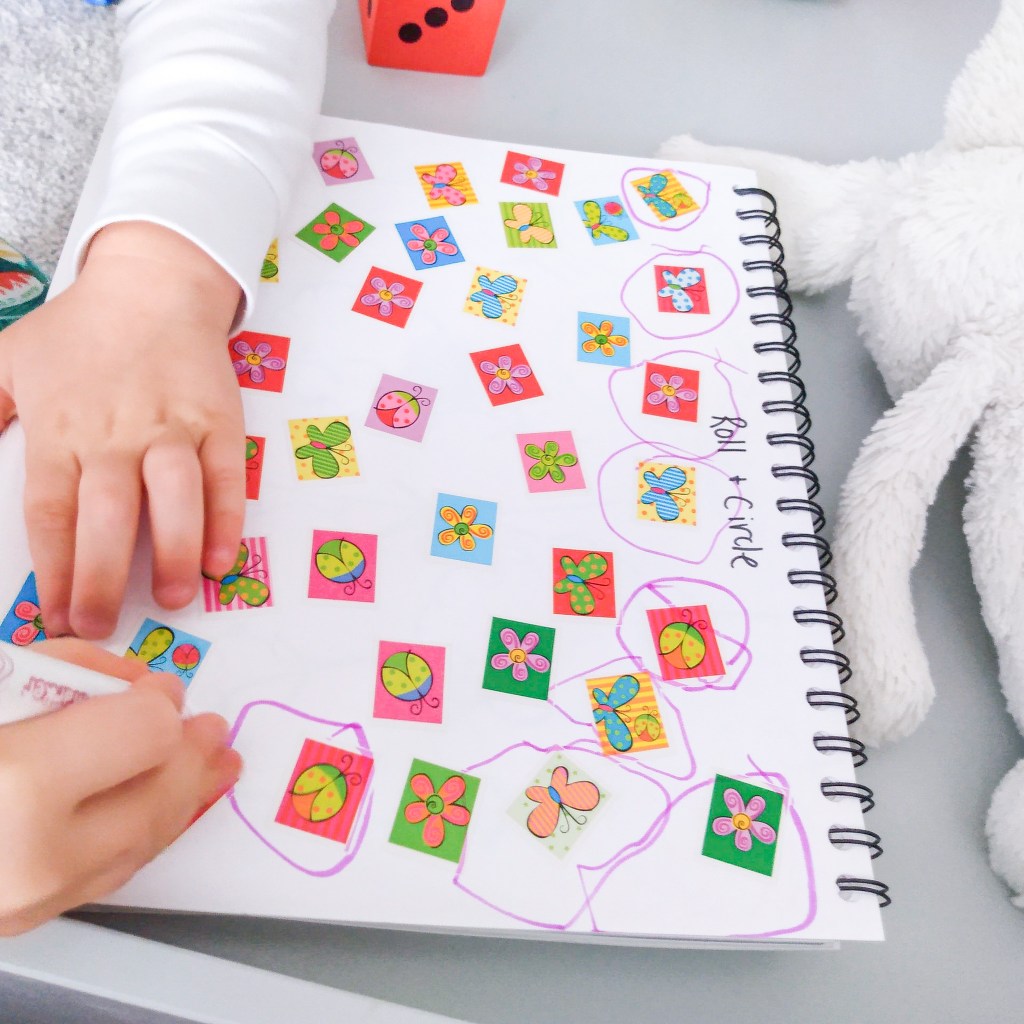
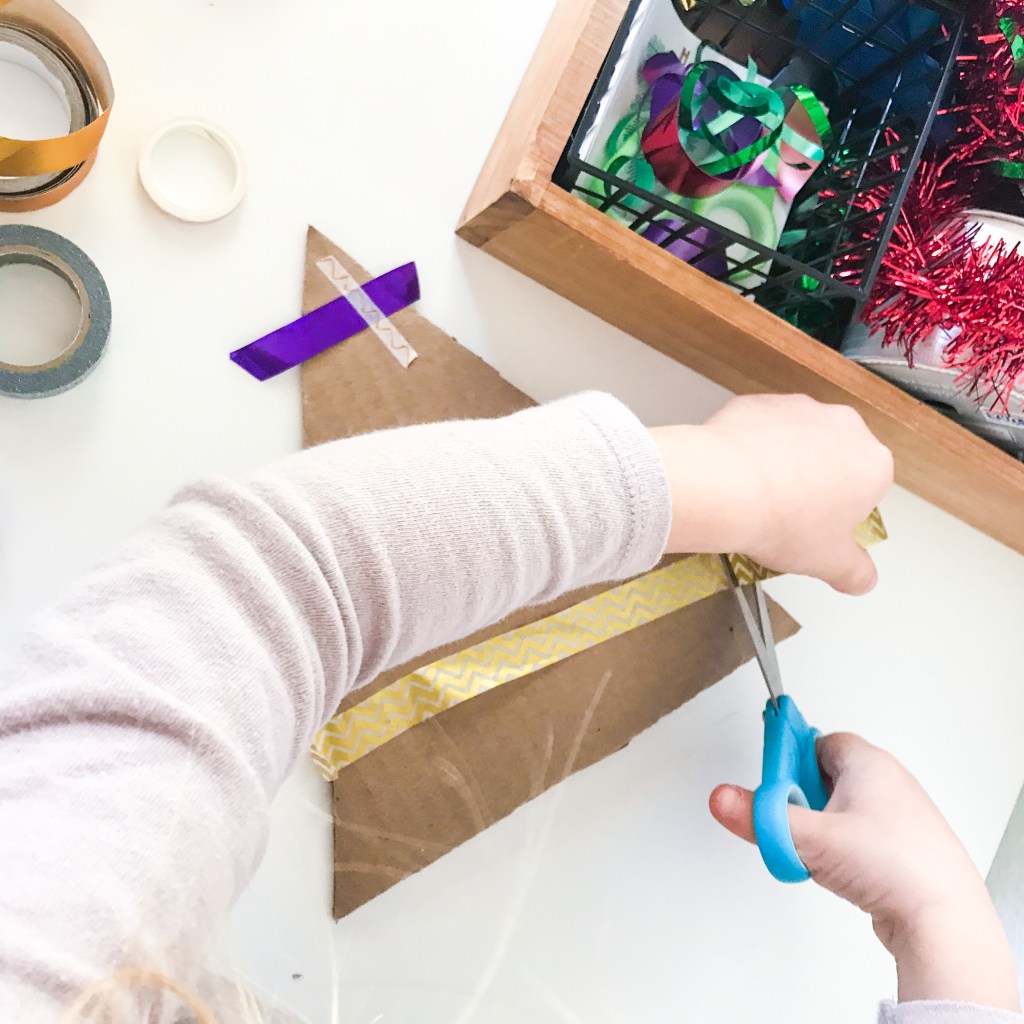
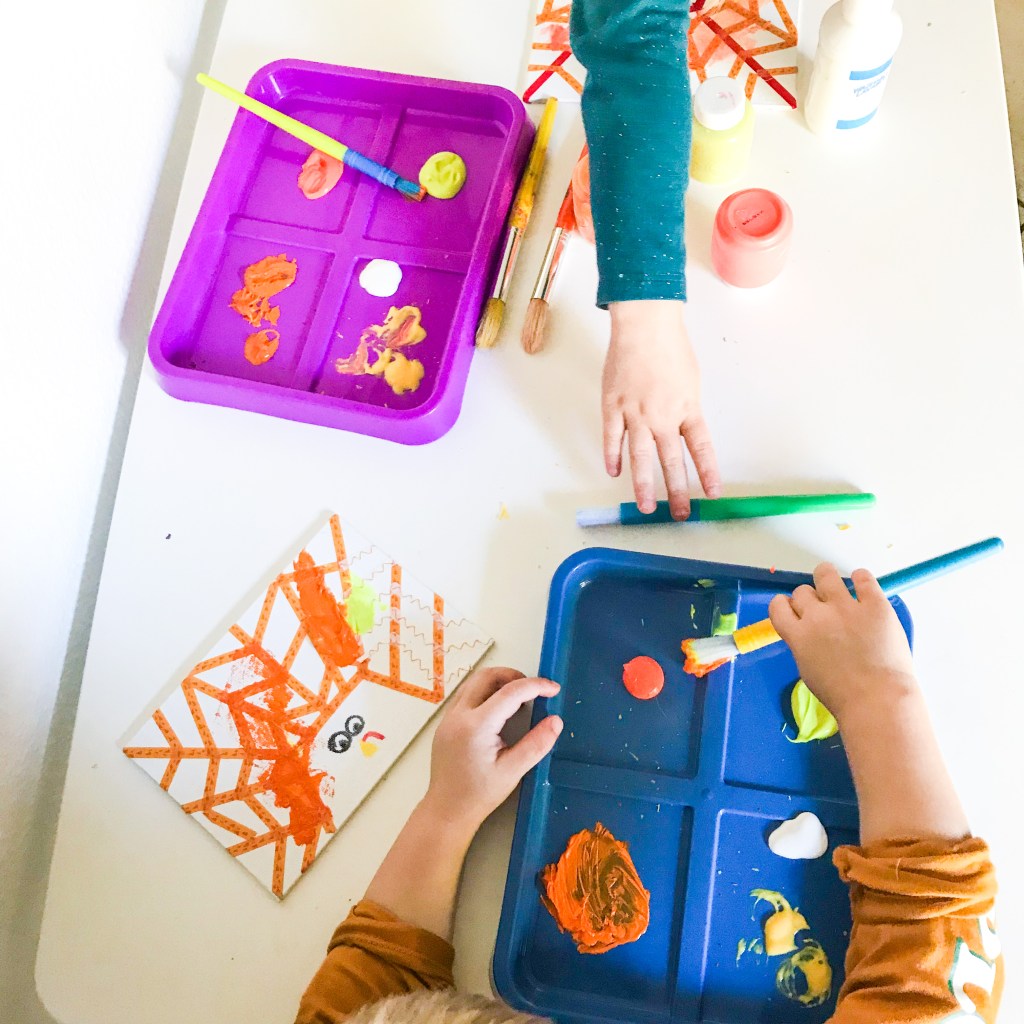
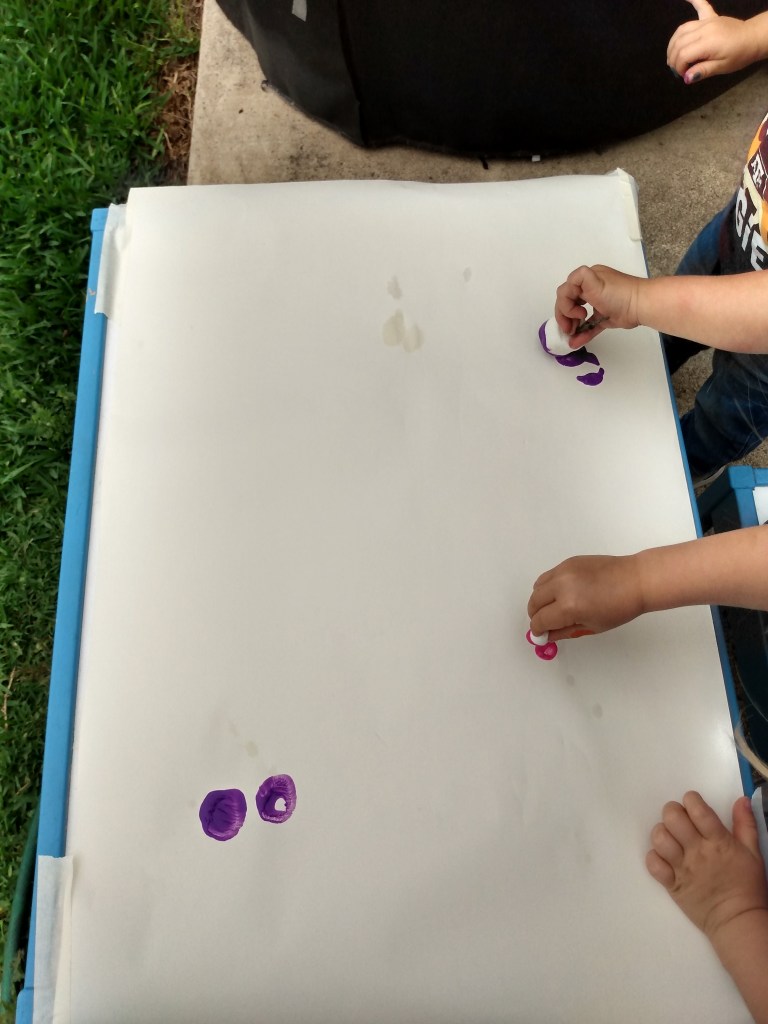
Don’t neglect good old fashioned cutting, painting, coloring and drawing!
Don’t forget to pin any of these ideas if you’ve found them helpful!




 The Teaching Nanny