
In a world that often feels fast-paced and over complicated, sometimes the best way forward is to go back to basics. Our new blog series, Back to Basics, is all about simplifying life and rediscovering the joys of foundational practices that nurture connection, creativity, and well-being. From timeless parenting tips to easy, effective ways to engage kids at home, this series will explore practical ideas that stand the test of time. Whether you’re looking to slow down, get more intentional, or simply find inspiration in everyday moments, this series will remind you that sometimes the simplest ideas are the most impactful. Let’s embrace the beauty of “less is more” and reconnect with the basics that truly matter.
Little Hands at Work: The Importance of Fine Motor Play for Toddlers
Fine motor skills are a critical part of a toddler’s development, laying the foundation for tasks like writing, self-care, and even problem-solving. Engaging toddlers in fine motor play is a fun and effective way to help them strengthen these small but mighty muscles. In this post, we’ll explore why fine motor play is essential, share creative activity ideas, and offer tips for incorporating it into your daily routine.
What Are Fine Motor Skills?
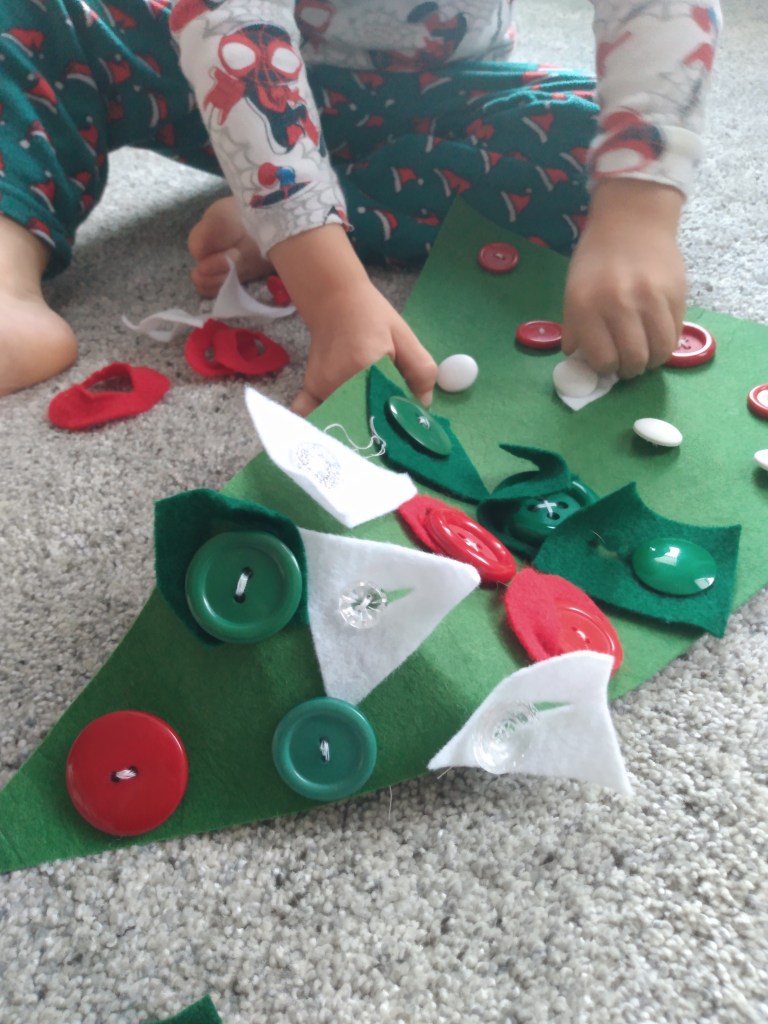
Fine motor skills involve the coordination of small muscles in the hands, fingers, and wrists. These skills enable toddlers to perform precise movements like picking up objects, drawing, or fastening buttons. Developing fine motor skills early is essential for independence and future learning.
Why Fine Motor Play is Important
- Builds Hand Strength: Activities like squeezing, pinching, and grasping develop the muscles needed for tasks like holding a pencil or using utensils.
- Improves Hand-Eye Coordination: Fine motor play helps toddlers refine their ability to align hand movements with visual input.
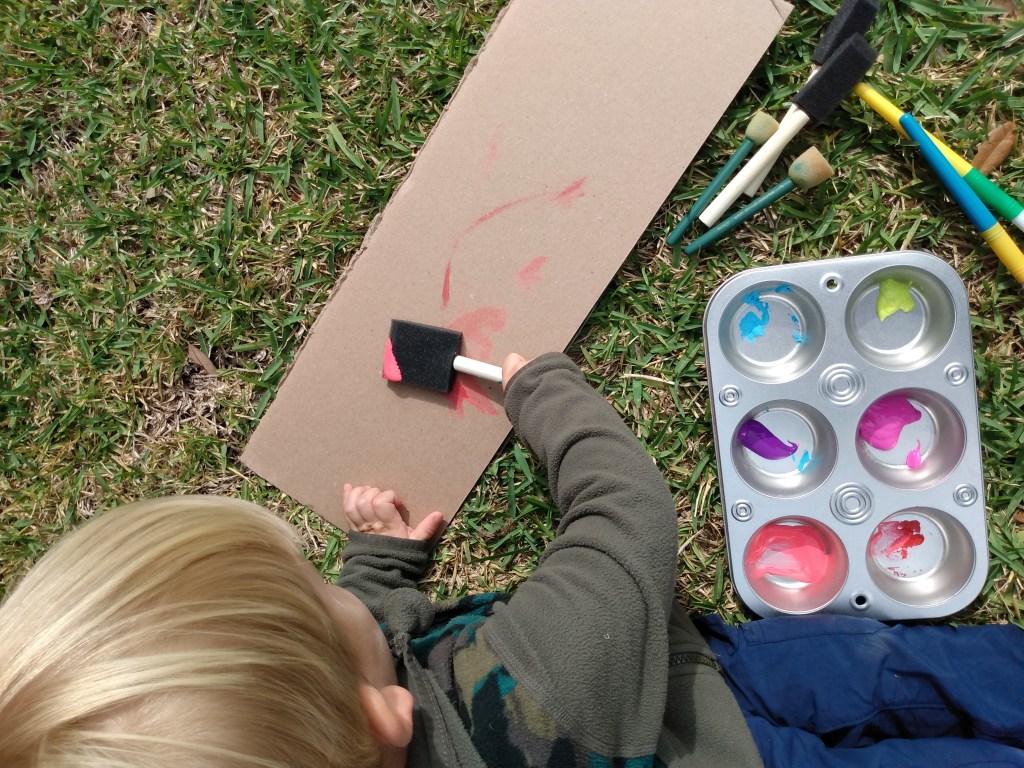
- Encourages Creativity: Many fine motor activities, like crafting or building, foster imagination and problem-solving.
- Supports Early Learning: Tasks like threading beads or sorting objects by size and color introduce concepts of shape, size, and sequencing.
- Promotes Independence: Strengthening fine motor skills helps toddlers master self-care tasks like dressing, eating, and grooming.
Fun and Engaging Fine Motor Activities for Toddlers
Here are some easy and effective ways to encourage fine motor play:
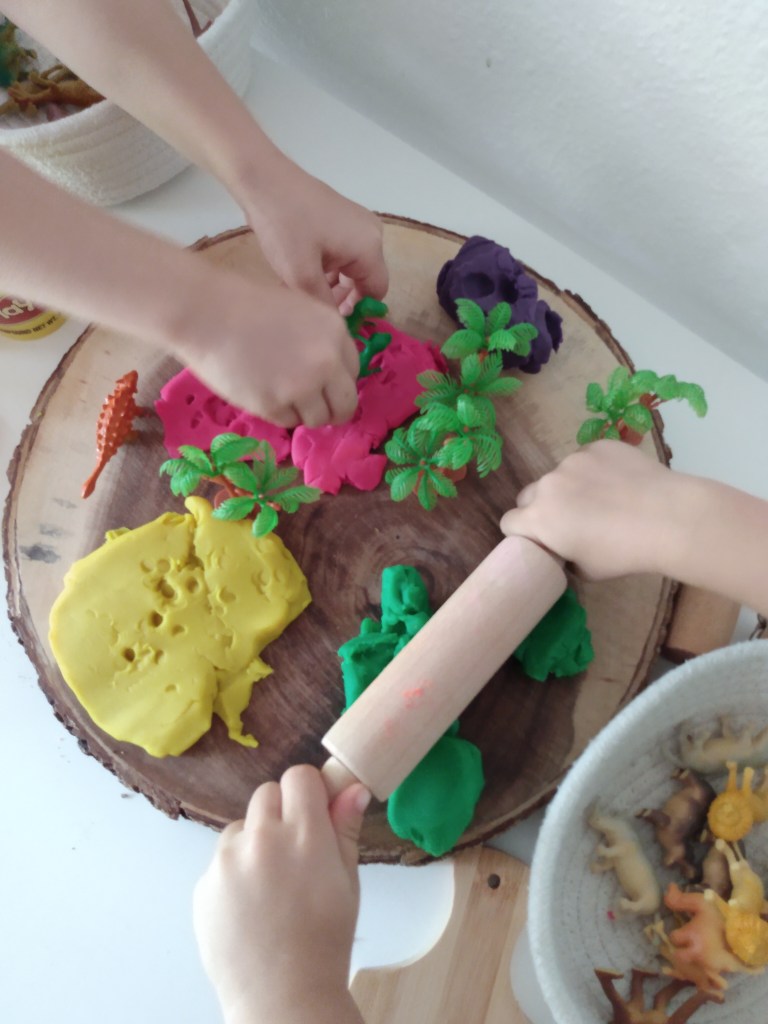
1. Playdough Fun
- Why It Works: Kneading, rolling, and shaping playdough strengthens hand muscles.
- Activity Ideas: Create shapes, use cookie cutters, or hide small objects for your toddler to find.
2. Threading and Lacing
- Why It Works: Stringing beads or threading shoelaces develops precision and focus.
- Activity Ideas: Use large beads, pasta, or cereal with holes for threading.
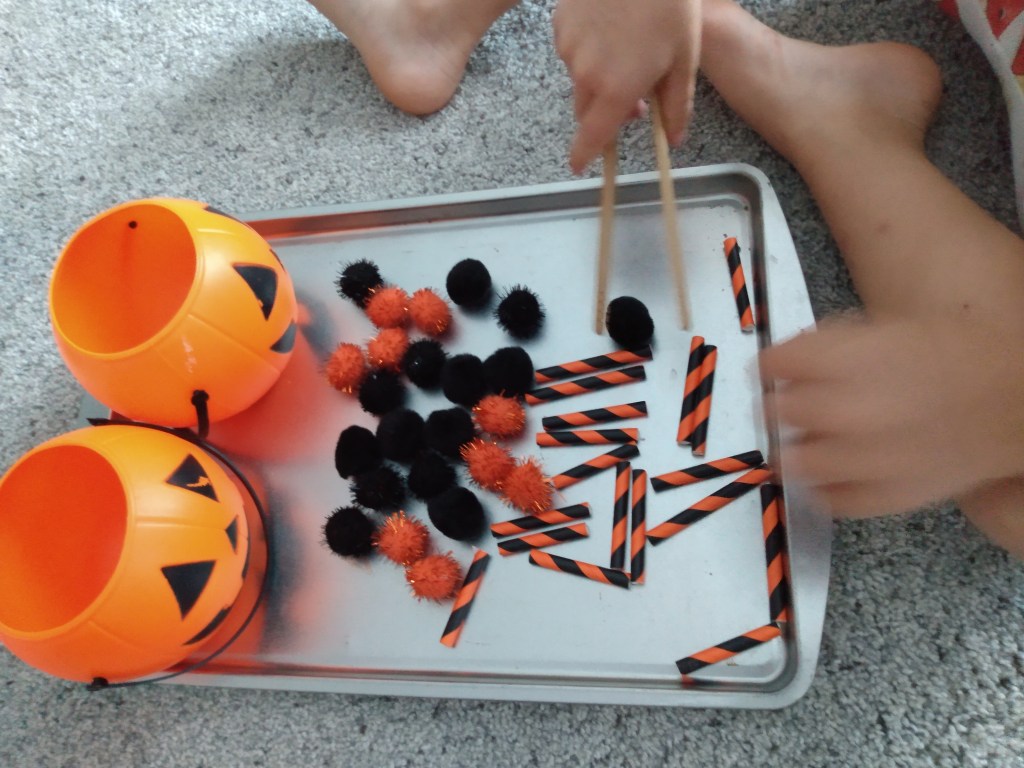
3. Sorting and Grasping
- Why It Works: Picking up small items improves pincer grip and hand control.
- Activity Ideas: Provide tweezers or tongs for sorting colorful pom-poms, buttons, or beans.
4. Cutting Practice
- Why It Works: Using child-safe scissors improves hand strength and coordination.
- Activity Ideas: Let your toddler snip paper, straws, or old magazines.
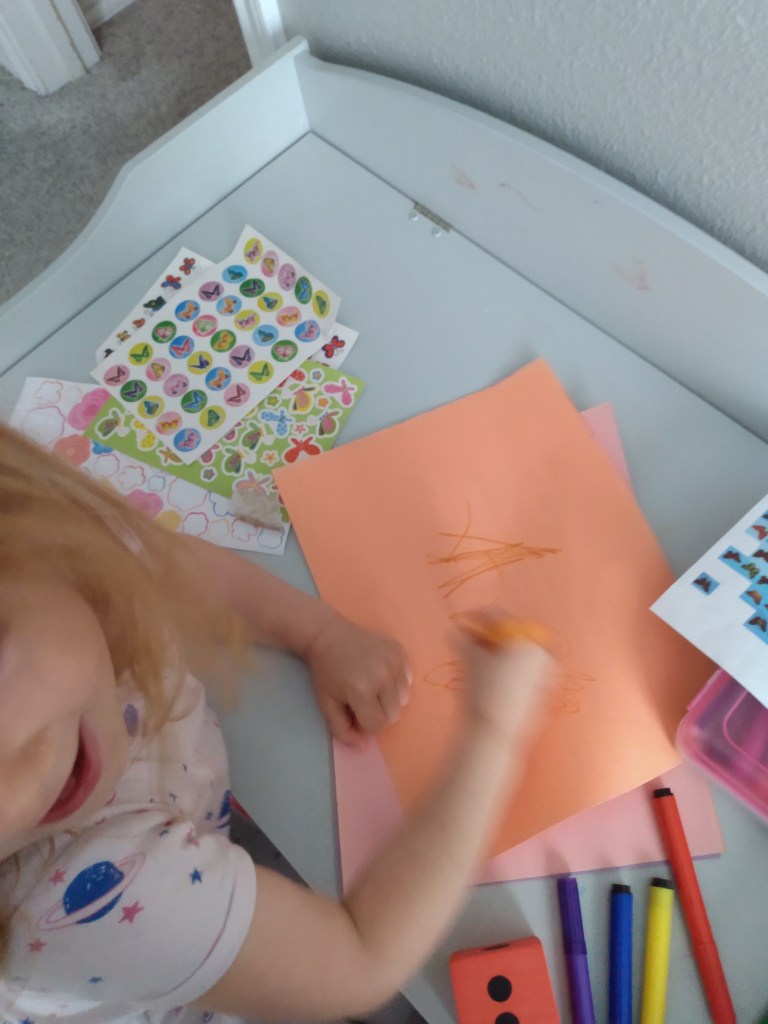
5. Sticker Fun
- Why It Works: Peeling and placing stickers strengthens fine motor precision.
- Activity Ideas: Use stickers to create scenes, trace shapes, or play matching games.
6. Building Towers
- Why It Works: Stacking blocks or cups helps with grasping, balancing, and hand control.
- Activity Ideas: Challenge your toddler to build a tower as tall as possible or match blocks by color or size.
7. Pincer Grasp Games
- Why It Works: Picking up small items with fingers refines the pincer grip.
- Activity Ideas: Provide items like cheerios, cotton balls, or coins to sort into containers.
Tips for Encouraging Fine Motor Play
- Incorporate Play Into Daily Life: Activities like opening jars, buttoning clothes, or stirring batter are natural ways to practice fine motor skills.
- Keep It Fun and Pressure-Free: Let your toddler explore activities at their own pace to keep it enjoyable.
- Use Age-Appropriate Materials: Opt for larger items that are easier for small hands to manipulate.
- Rotate Activities: Introduce new tasks regularly to keep your toddler engaged and challenged.
- Model and Encourage: Show your toddler how to perform tasks and cheer them on as they try.
Signs of Progress in Fine Motor Skills
As your toddler engages in fine motor play, you might notice:
- Improved ability to hold and use crayons or markers.
- Greater independence in self-care tasks like eating or dressing.
- Enhanced ability to manipulate small objects, like puzzles or toys with moving parts.
- Increased focus and patience during activities.
Why Parents Love Fine Motor Play
Fine motor play isn’t just beneficial for toddlers—it’s also a joy for parents to witness their child’s growth and creativity. Plus, these activities often require minimal setup and materials, making them easy to incorporate into busy routines.
Conclusion
Fine motor play is an essential part of toddlerhood, helping little hands and minds grow stronger every day. By providing opportunities for creative, hands-on play, you’re giving your child the tools they need for a lifetime of learning and independence.
What are your favorite fine motor activities for toddlers? Share your ideas in the comments below and inspire other parents to join the fun!

Walking in His Ways: A Family Journey Through Lent 2025
Walking in His Ways: A Family Journey Through Lent 2025 Lent is a sacred season of reflection, renewal, and deepening our faith as we prepare for Easter. It’s a time to step back from the busyness of life and intentionally walk in the ways of Jesus. Our “Walking in His Ways” Lent 2025 Calendar is…

Back to Basics: Gross Motor Play
In a world that often feels fast-paced and over complicated, sometimes the best way forward is to go back to basics. Our new blog series, Back to Basics, is all about simplifying life and rediscovering the joys of foundational practices that nurture connection, creativity, and well-being. From timeless parenting tips to easy, effective ways to engage kids…
Back to Basics: Water Play
In a world that often feels fast-paced and over complicated, sometimes the best way forward is to go back to basics. Our new blog series, Back to Basics, is all about simplifying life and rediscovering the joys of foundational practices that nurture connection, creativity, and well-being. From timeless parenting tips to easy, effective ways to…