
This post is part of a series called The Art of Nannying: How to Be a Stand Out Nanny and How to Hire One!
Today’s post is for the nannies who are looking for ways to set themselves apart from the crowd! In the industry we refer to amazing families as Unicorn Families, those types of families we would bend over backwards for! The kids are amazing, the parents are kind and supportive and the pay fits the job demands. There’s lots of talk on how to be a unicorn family but little on what it takes to be that type of nanny. So here it is!

Being a nanny is an incredibly rewarding profession that requires a unique blend of skills, patience, and love for children. A great nanny not only ensures the safety and well-being of the children in their care but also contributes positively to their development and happiness. Here’s a comprehensive guide on how to be an exceptional nanny and make a lasting impact on the families you work with.
1. Develop Strong Communication Skills
Effective communication is key to being a successful nanny. This includes:
- Listening to Parents: Understand their expectations, routines, and rules. Regular check-ins can help ensure everyone is on the same page.
- Engaging with Children: Foster open and age-appropriate communication with the kids. Encourage them to express their feelings and thoughts.
2. Create a Safe and Nurturing Environment
Safety is the top priority in childcare. Always be vigilant and proactive in creating a safe space:
- Childproofing: Regularly check for potential hazards in the home and ensure that childproofing measures are in place.
- First Aid Knowledge: Keep your first aid and CPR certifications up to date. Be prepared for emergencies.
- Emotional Safety: Provide a loving and supportive environment where children feel secure and valued.

3. Be Reliable and Trustworthy
Families rely on nannies for stability and trust:
- Punctuality: Always arrive on time and adhere to the agreed-upon schedule.
- Consistency: Maintain consistent routines and rules to provide a sense of stability for the children.
- Confidentiality: Respect the family’s privacy and handle any personal information with discretion.
4. Engage in Active and Creative Play
Play is crucial for a child’s development. Encourage both structured and unstructured play:
- Educational Activities: Incorporate learning into playtime with educational games, puzzles, and books.
- Outdoor Play: Whenever possible, take the children outside for physical activities and fresh air.
- Arts and Crafts: Foster creativity through drawing, painting, and crafting.
5. Support Developmental Milestones
Help children achieve their developmental milestones by providing appropriate activities and support:
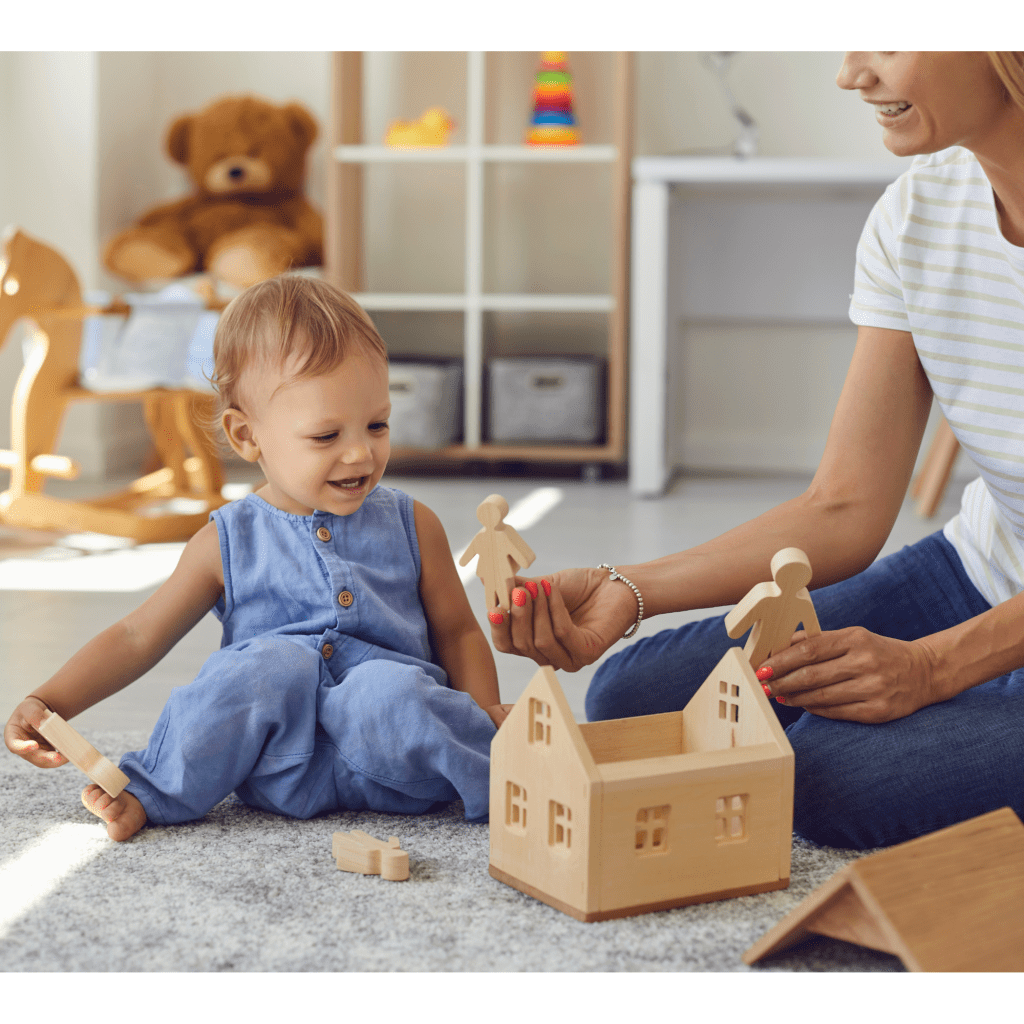
- Motor Skills: Engage in activities that enhance fine and gross motor skills, such as building blocks, climbing, and dancing.
- Cognitive Skills: Read to the children, play memory games, and solve puzzles together.
- Social Skills: Arrange playdates and teach children about sharing, empathy, and cooperation.
6. Maintain a Positive Attitude
A positive attitude can significantly impact the children’s mood and behavior:
- Patience: Handle challenging situations with calmness and patience.
- Encouragement: Praise children’s efforts and accomplishments to build their confidence.
- Fun and Joy: Bring a sense of fun and joy to your daily interactions with the children.
7. Respect Family Values and Parenting Styles
Every family has its unique values and parenting styles. Respect and adapt to these preferences:
- Cultural Sensitivity: Be aware of and respectful towards the family’s cultural and religious practices.
- Discipline Methods: Align with the parents’ discipline methods and strategies to ensure consistency.

8. Keep Learning and Growing
Continual learning is important in the ever-evolving field of childcare:
- Professional Development: Attend workshops, take courses, and stay updated on the latest childcare practices.
- Networking: Connect with other nannies to share experiences and gain new insights.
9. Build a Strong Relationship with the Family
A great nanny forms a strong bond with both the children and their parents:
- Trust: Build trust by being honest, reliable, and showing genuine care for the children.
- Flexibility: Be adaptable and willing to help out in different situations, such as occasional late nights or extra duties.
- Feedback: Regularly seek and provide feedback to ensure that the family’s needs are being met.
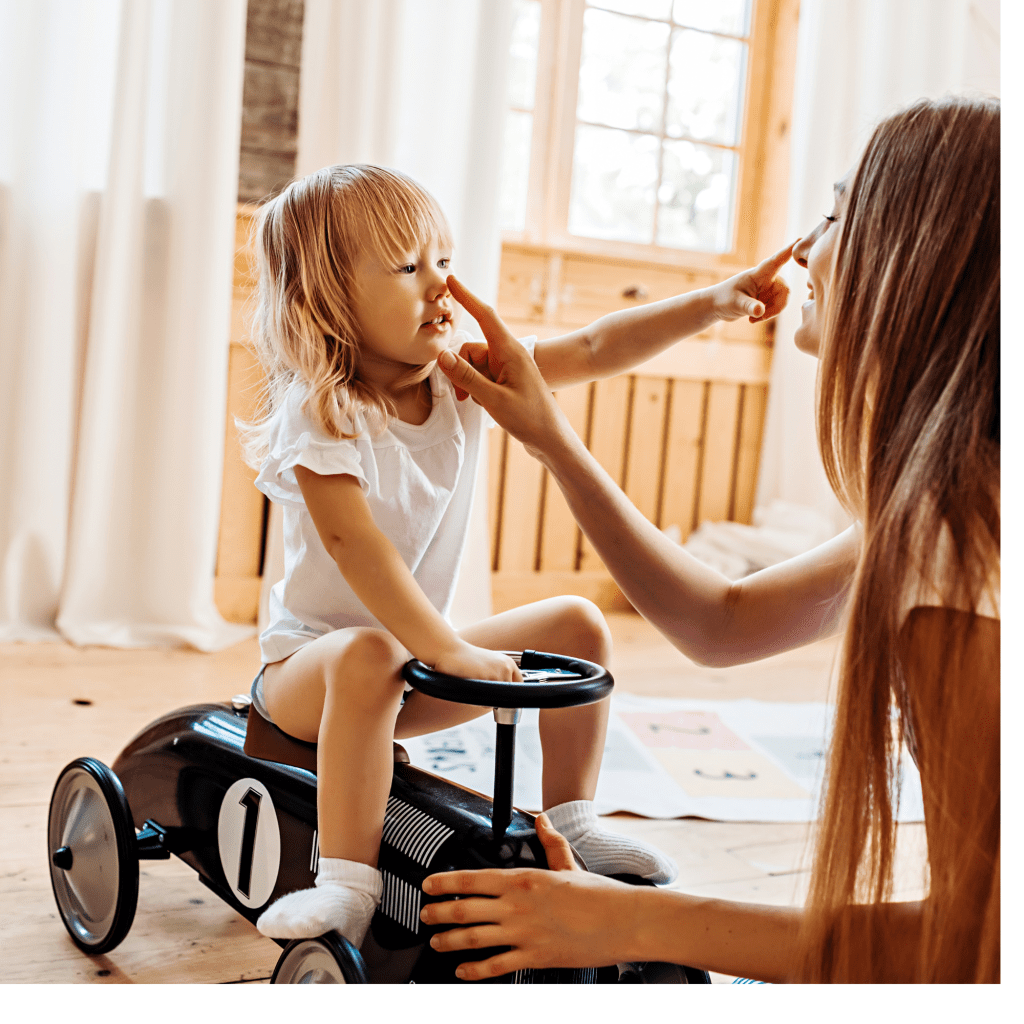
Being a great nanny is about more than just meeting the basic needs of the children in your care. It involves creating a safe, nurturing, and stimulating environment where children can thrive. By developing strong communication skills, being reliable, engaging in active play, supporting developmental milestones, maintaining a positive attitude, respecting family values, and committing to continual learning, you can make a profound and lasting impact on the families you work with.

Remember, the role of a nanny is deeply influential, and the bonds you form with the children and their families can last a lifetime. Strive to be the best nanny you can be, and you’ll find that the rewards of your dedication and love are immeasurable.

Walking in His Ways: A Family Journey Through Lent 2025
Walking in His Ways: A Family Journey Through Lent 2025 Lent is a sacred season of reflection, renewal, and deepening our faith as we prepare for Easter. It’s a time to step back from the busyness of life and intentionally walk in the ways of Jesus. Our “Walking in His Ways” Lent 2025 Calendar is…

Back to Basics: Fine Motor Play
In a world that often feels fast-paced and over complicated, sometimes the best way forward is to go back to basics. Our new blog series, Back to Basics, is all about simplifying life and rediscovering the joys of foundational practices that nurture connection, creativity, and well-being. From timeless parenting tips to easy, effective ways to engage kids…
Back to Basics: Gross Motor Play
In a world that often feels fast-paced and over complicated, sometimes the best way forward is to go back to basics. Our new blog series, Back to Basics, is all about simplifying life and rediscovering the joys of foundational practices that nurture connection, creativity, and well-being. From timeless parenting tips to easy, effective ways to engage kids…





 The Teaching Nanny