
In a world that often feels fast-paced and over complicated, sometimes the best way forward is to go back to basics. Our new blog series, Back to Basics, is all about simplifying life and rediscovering the joys of foundational practices that nurture connection, creativity, and well-being. From timeless parenting tips to easy, effective ways to engage kids at home, this series will explore practical ideas that stand the test of time. Whether you’re looking to slow down, get more intentional, or simply find inspiration in everyday moments, this series will remind you that sometimes the simplest ideas are the most impactful. Let’s embrace the beauty of “less is more” and reconnect with the basics that truly matter.
Our first offering in this series is all about sensory play using the time tested Rice Bin!
Why Rice Bins Are Perfect Sensory Play for Toddlers
Sensory play is an essential part of a toddler’s development, helping them explore their environment, develop fine motor skills, and engage their curious minds. One popular, simple, and budget-friendly sensory activity is the rice bin. Let’s dive into why rice bins are perfect for toddlers, how to make one, and creative ways to keep them engaging.
What Is a Rice Bin?
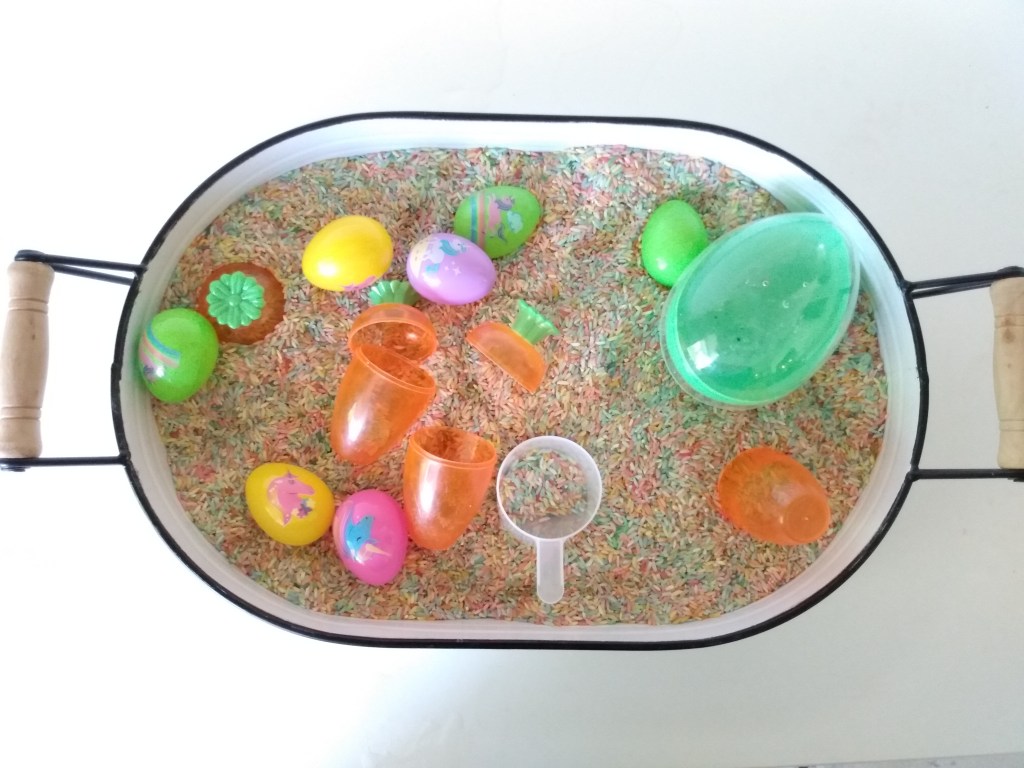
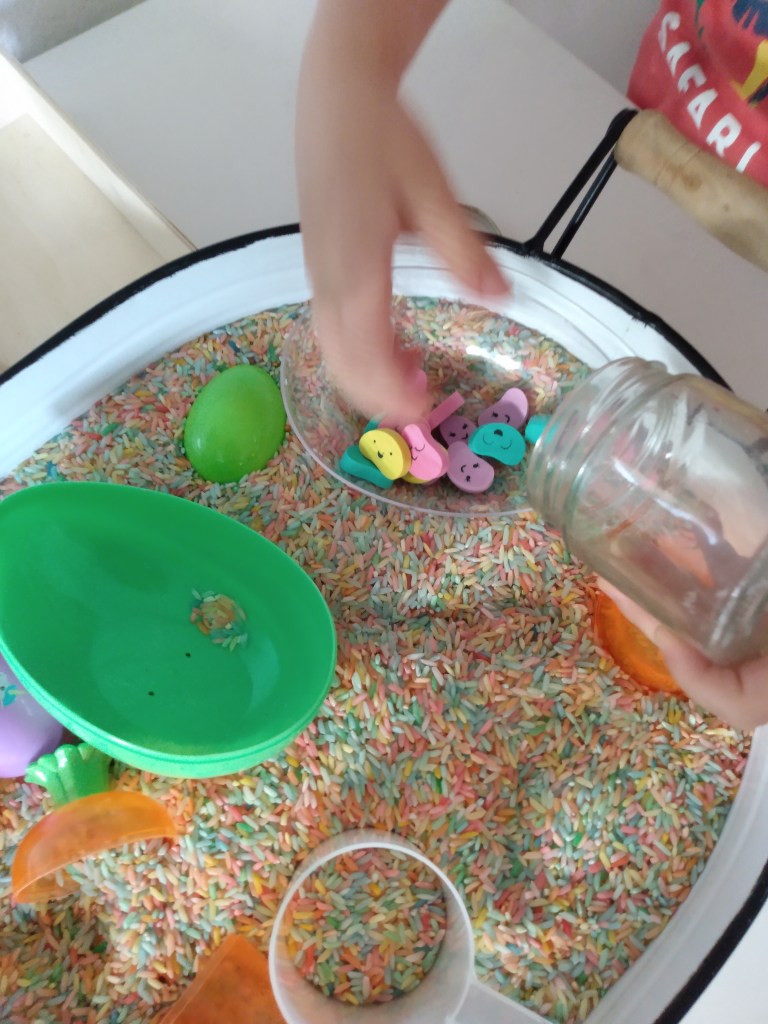
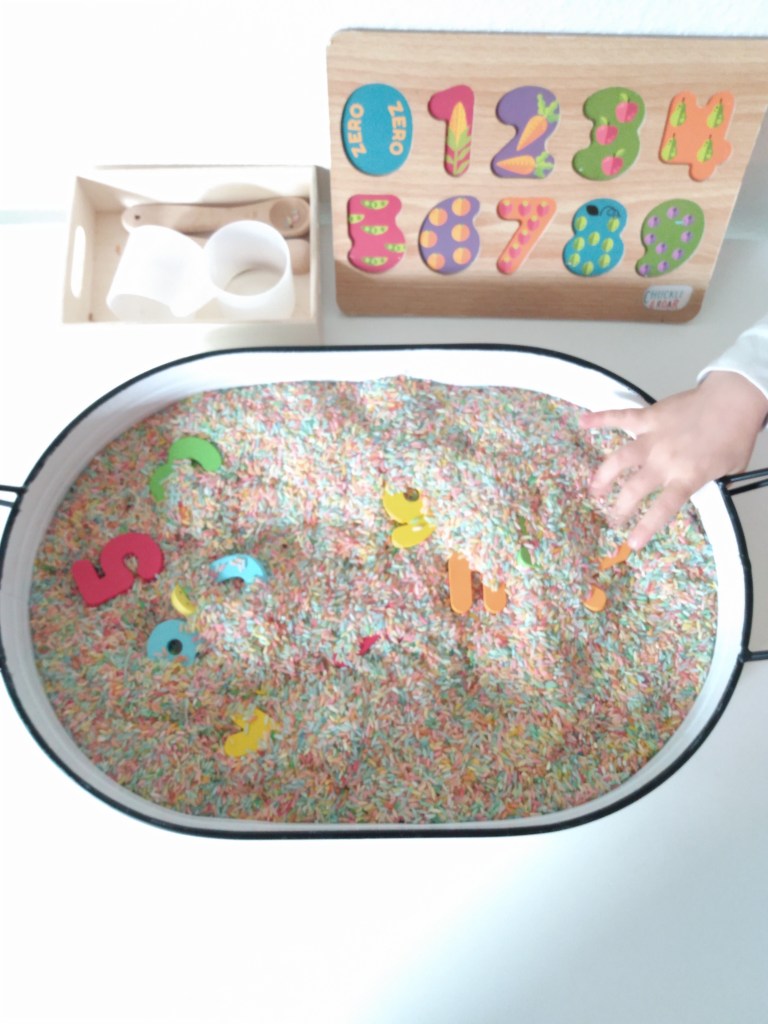
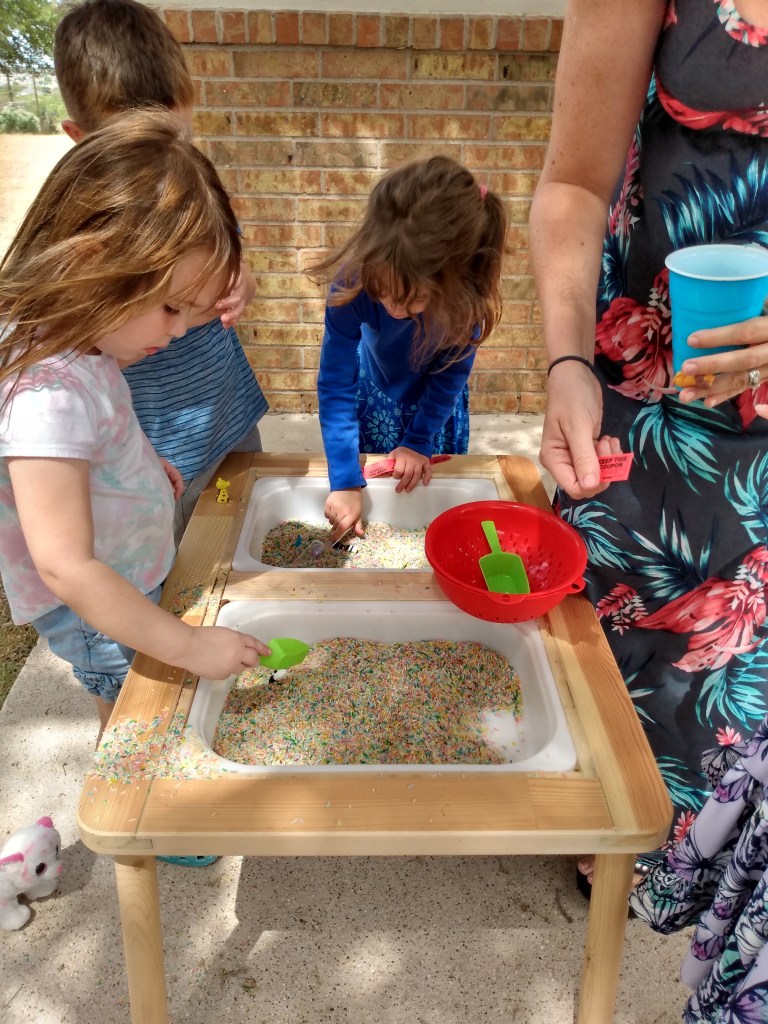
A rice bin is essentially a container filled with rice that serves as a tactile playground for toddlers. It’s a hands-on activity that provides endless opportunities for exploration, imagination, and skill-building. With a few added tools and toys, a rice bin becomes an educational and entertaining sensory experience.
Benefits of Rice Bins for Toddlers
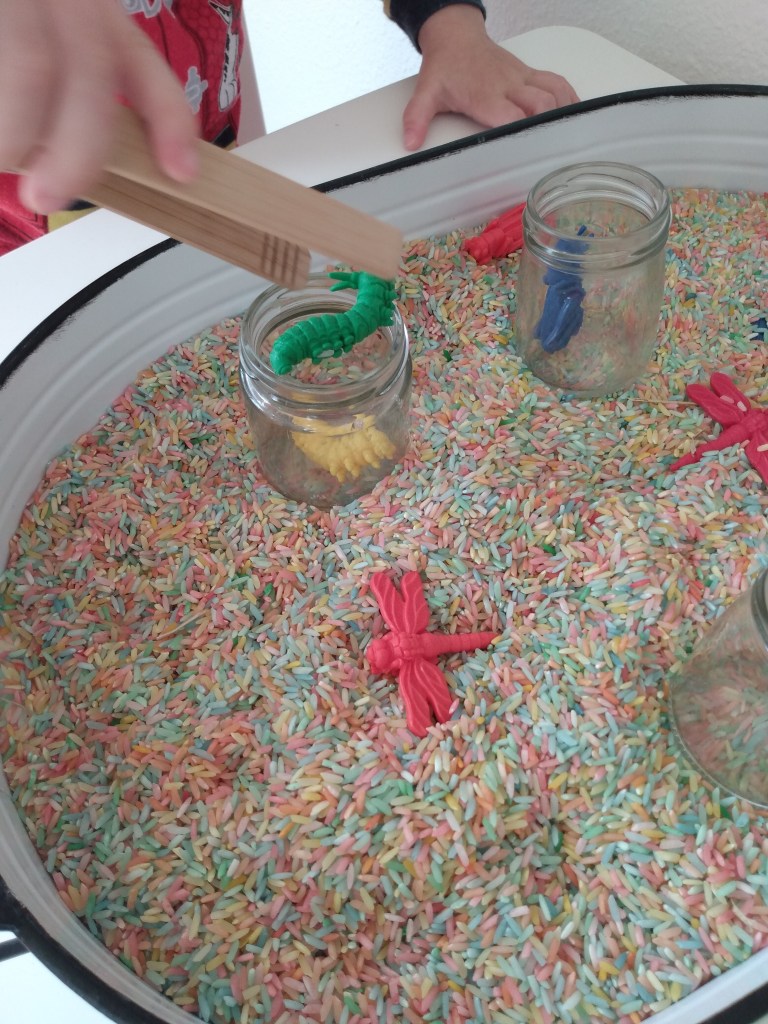
- Enhances Fine Motor Skills: Scooping, pouring, pinching, and sifting rice help toddlers strengthen their hand-eye coordination and fine motor abilities.
- Encourages Imaginative Play: Add figurines, spoons, or miniature vehicles, and watch your toddler create their own little world.
- Stimulates Sensory Exploration: The texture of rice is soothing and fascinating to little hands, providing a calming effect for many children.
- Supports Early Math Skills: Incorporate measuring cups to introduce concepts like volume and quantity.
- Promotes Focus: Engaging with a rice bin often captivates toddlers, promoting longer attention spans.
How to Make a Rice Bin
Creating a rice bin is simple and customizable. Here’s what you’ll need:
Materials:
- A shallow plastic container or bin with a lid
- Uncooked rice (white or colored)
- Tools and toys: measuring cups, spoons, small shovels, funnels, plastic animals, or cars
- Optional: food coloring and vinegar to dye the rice
Steps:
- Choose Your Bin: A shallow bin is ideal for little hands to easily reach in and play. Ensure it has a lid for easy storage.
- Prepare the Rice: If you want colorful rice, mix uncooked rice with a few drops of food coloring and a teaspoon of vinegar in a resealable bag. Shake until evenly coated and let it dry overnight.
- Fill the Bin: Pour the rice into the container.
- Add Toys: Include items that encourage scooping, digging, and sorting.
- Set Up a Play Area: Place the bin on a washable surface or a large mat to catch stray grains.

Creative Themes for Your Rice Bin
- Construction Zone: Add toy trucks, tiny cones, and scoops to mimic a construction site.
- Under the Sea: Use blue-dyed rice, small seashells, and plastic sea animals for a beachy vibe.
- Treasure Hunt: Bury “gems,” coins, or small trinkets for your toddler to discover.
- Seasonal Fun: Incorporate items like plastic pumpkins in fall, snowflakes in winter, or flowers in spring.
Tips for Safe and Enjoyable Play
- Supervision is Key: Always supervise your toddler to ensure rice doesn’t end up in mouths, noses, or other unexpected places.
- Use a Mess-Friendly Space: Lay down a sheet or play in an area that’s easy to clean.
- Teach Cleanup Skills: Turn cleanup into part of the activity by letting your child help sweep up stray grains.
- Storage: Keep the rice bin sealed when not in use to maintain cleanliness.
Why Parents Love Rice Bins
Parents appreciate rice bins for their simplicity, affordability, and versatility. They’re easy to put together, customizable to suit a child’s interests, and provide hours of entertainment. Plus, they’re a screen-free way to engage a toddler’s growing mind and body.
Conclusion
Rice bins are a sensory delight that spark joy, creativity, and development in toddlers. Whether you’re a seasoned parent or new to sensory play, creating a rice bin is a quick and rewarding way to keep your little one entertained and learning. So grab a container, some rice, and let the fun begin!
What are your favorite rice bin themes or tips? Share your ideas in the comments below!




 The Teaching Nanny